


What Do Bed Bugs Look Like?


Bed bugs are one of the most frustrating pests homeowners can encounter. These tiny hitchhiking insects spread quickly, hide exceptionally well, and are often difficult to detect until an infestation becomes established. Understanding what bed bugs look like, the signs they leave behind, and where they hide can help you catch an infestation early and seek professional treatment before the problem worsens.
If you suspect bed bugs in your home, learning how to identify them is the first step toward protecting your family and your property.
What Do Bed Bugs Look Like?
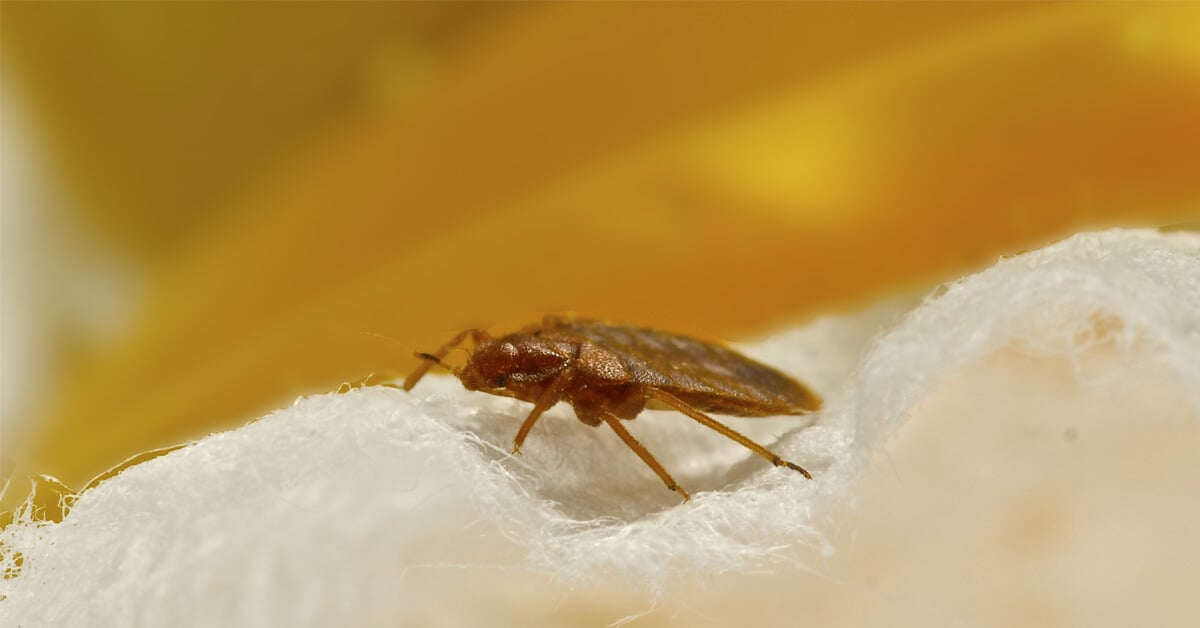
Bed bugs change appearance throughout their life cycle, which can make them difficult to identify. Adult bed bugs are typically:
- About the size and shape of an apple seed
- Flat and oval-shaped
- Brown to reddish-brown in color
- Wingless with six legs and short antennae
After feeding on blood, bed bugs become more swollen and darker red in appearance.
Immature bed bugs, called nymphs, are much smaller and lighter in color. Young nymphs can appear almost translucent, making them extremely difficult to spot. Bed bug eggs are tiny, pale white, and roughly the size of a speck of dust.
If you are unsure whether you are seeing bed bugs or another insect, scheduling a professional bed bug inspection can help confirm the issue quickly.
Common Signs of Bed Bugs
In many cases, homeowners notice signs of bed bugs before they ever see the insects themselves. Some of the most common warning signs include:
- Small reddish or brown stains on sheets or mattresses
- Dark spotting from bed bug fecal matter
- Shed skins or exoskeletons
- Tiny white eggs in cracks or seams
- A musty, sweet odor in severe infestations
- Unexplained itchy bites that appear overnight
Bed bugs often hide in areas close to where people sleep or rest, including:
- Mattress seams and box springs
- Headboards and bed frames
- Upholstered furniture
- Baseboards and wall voids
- Electrical outlets
- Nightstands and nearby furniture
Because they hide in extremely small crevices, infestations can easily go unnoticed during the early stages.
What Do Bed Bug Bites Look Like?
Bed bug bites can vary from person to person. Some individuals experience little to no reaction, while others develop noticeable itching, redness, or swelling.
Common characteristics of bed bug bites include:
- Small red welts or bumps
- Bites appearing in clusters or straight lines
- Itching or irritation
- Bites commonly found on exposed skin such as arms, legs, hands, neck, or face
Unlike mosquito bites, bed bug bites often appear in patterns because the insect may feed multiple times in one area.
While bed bugs are not known to spread disease, scratching bites excessively can lead to secondary skin infections.
How to Check for Bed Bugs in Your Home
If you suspect bed bugs, early detection is important. Larger infestations become much more difficult and costly to eliminate.
Perform a Visual Inspection
Using a flashlight, carefully inspect:
- Mattress seams and tags
- Box springs
- Headboards
- Bed frames
- Upholstered furniture
- Baseboards and nearby cracks
Look for live bugs, shed skins, eggs, or dark spotting.
Check Beyond the Bed
Despite their name, bed bugs do not only live in beds. They may also hide in:
- Couches and recliners
- Carpeting edges
- Luggage
- Clothing
- Wall outlets
- Electronics
- Curtains and wallpaper seams
Watch for Bite Activity
Unexplained bites that continue appearing overnight may indicate active bed bug activity, especially when paired with other signs.
How Bed Bugs Spread
Bed bugs are excellent hitchhikers and can spread almost anywhere people travel. They are commonly picked up from:
- Hotels and vacation rentals
- Public transportation
- Movie theaters
- Dormitories
- Offices
- Schools
- Used furniture
- Luggage and backpacks
Even clean homes and businesses can experience bed bug infestations. Bed bugs are not attracted to dirt or poor sanitation — they are attracted to people.
How to Help Prevent Bed Bugs
While no prevention method is foolproof, these tips can help reduce your risk:
- Inspect hotel rooms before unpacking
- Keep luggage off beds and floors
- Wash clothing on high heat after traveling
- Avoid bringing used furniture indoors without inspection
- Reduce clutter around sleeping areas
- Regularly inspect mattresses and upholstered furniture
You can also learn more about professional bed bug control services and preventative treatment options from Viking Pest Control.
How to Get Rid of Bed Bugs with Viking Pest
Bed bugs are extremely difficult to eliminate without professional treatment. DIY sprays and over-the-counter products often fail to address the full infestation because bed bugs hide deep inside walls, furniture, and other inaccessible areas.
Professional treatment options may include:
- Heat treatments
- Targeted liquid applications
- Follow-up inspections
- Ongoing monitoring and prevention recommendations
At Viking Pest Control, trained bed bug specialists perform comprehensive inspections and customized treatment plans designed to fully eliminate infestations and help prevent future problems.
If you suspect bed bugs in your home, it is important to act quickly before the infestation spreads further.