

Food Processing Plant Pest Control: Why Continuous Professional Pest Management Matters
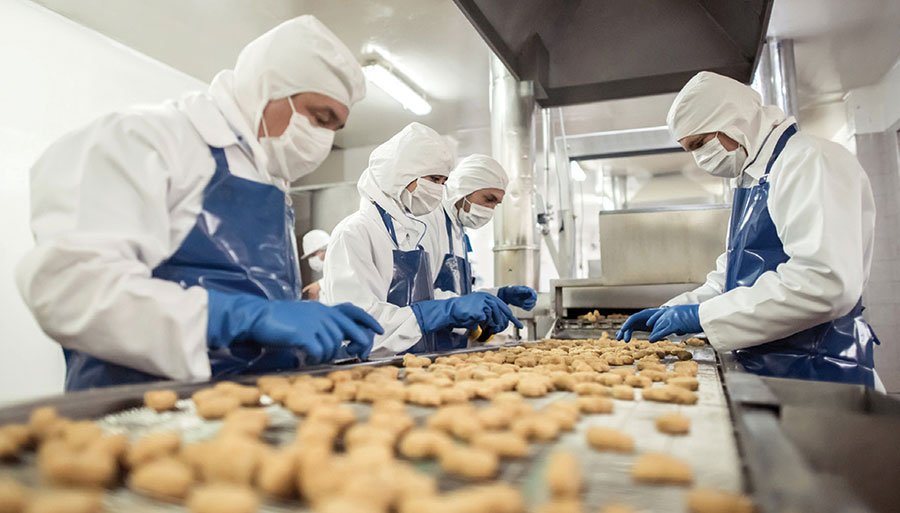


Food processing facilities face unique challenges when it comes to maintaining cleanliness, food safety, and regulatory compliance. One pest sighting can damage customer trust, interrupt operations, trigger failed audits, or lead to costly product recalls. That’s why effective pest control in food processing plants is not optional — it’s essential.
From rodents and cockroaches to flies and stored product pests, food facilities naturally attract unwanted invaders searching for food, water, and shelter. The best way to protect your products, employees, and reputation is through continuous professional pest management tailored specifically to the food industry.
Why Pest Control Is Critical in Food Processing Facilities
Pests create serious health and operational risks inside food processing plants. Rodents, cockroaches, and flies can spread harmful bacteria and pathogens that contaminate food products and surfaces.
Common risks associated with food facility pest infestations include:
- Food contamination
- Failed audits and inspections
- Product recalls
- Damaged inventory
- Regulatory violations
- Temporary shutdowns
- Lost customer trust
- Negative publicity
- Employee safety concerns
Once pests establish themselves inside a facility, they can reproduce rapidly and become difficult to eliminate without professional intervention.
The Importance of Continuous Pest Control
One-time treatments are rarely enough to keep a food processing facility protected long term. Pest pressures constantly change due to weather, moisture, deliveries, structural vulnerabilities, and surrounding environmental conditions.
Continuous pest management helps:
- Detect pest activity early
- Prevent infestations before they grow
- Eliminate breeding sites
- Monitor high-risk areas year-round
- Maintain audit readiness
- Protect uninterrupted operations
Being proactive is far more effective — and less costly — than reacting after an infestation has already spread.
Common Pest Problems in Food Processing Plants
Rodents
Rats and mice are among the most destructive pests found in food processing facilities. Rodents contaminate products with droppings and urine, chew through packaging and wiring, and spread dangerous diseases.
Rodents often hide:
- Behind equipment
- In storage rooms
- Around pallets
- Near loading docks
- Inside wall voids
- In cluttered or inactive areas
Because rodents are skilled at staying hidden, infestations may go unnoticed until they become severe.
Cockroaches
Cockroaches thrive in warm environments with access to food and moisture. They commonly hide:
- Near drains
- Under machinery
- Inside cracks and crevices
- In kitchens and break rooms
- Around moisture sources
Cockroaches can spread bacteria and allergens throughout the facility, creating serious food safety concerns.
Flies and Other Insects
Flies and stored product pests can quickly become major issues in food processing environments. Standing water, waste buildup, roof leaks, and drainage problems create ideal breeding conditions.
A single rainstorm or unnoticed moisture issue can trigger rapid insect activity if preventative measures are not already in place.
Why Prevention Is Better Than Reaction
By the time pests are visible, the infestation may already be widespread. Reactive pest control often leads to:
- Operational downtime
- Product disposal
- Emergency treatments
- Increased sanitation costs
- Negative customer perception
- Revenue loss
Preventative pest management minimizes these risks while helping facilities stay operational and compliant year-round.
How Professional Pest Control Protects Food Processing Plants
Customized Pest Management Plans
Every facility has different operational procedures, layouts, and vulnerabilities. Professional pest control companies develop customized treatment plans based on:
- Facility size
- Production processes
- Storage methods
- Environmental conditions
- Pest pressure
- Audit requirements
Tailored solutions help ensure effective long-term protection.
Identifying and Eliminating Pest Sources
Professional technicians know where pests hide and breed. They inspect for:
- Structural entry points
- Moisture issues
- Standing water
- Roof leaks
- Cluttered storage areas
- Sanitation concerns
- Harborage zones
Addressing the root causes of infestations is essential for long-term prevention.
Ongoing Monitoring and Documentation
Food processing facilities often require detailed pest management documentation for audits and inspections. Continuous professional service helps maintain:
- Monitoring records
- Inspection reports
- Corrective action plans
- Audit compliance
- Preventative treatment schedules
This level of organization helps facilities stay prepared for third-party audits and regulatory inspections.
SMART Technology for Food Processing Pest Control
Modern pest control technology allows facilities to monitor rodent activity more effectively than ever before.
SMART Rodent Monitoring
SMART pest control systems provide:
- 24/7 rodent monitoring
- Real-time activity detection
- Strategic trap placement
- Non-toxic monitoring solutions
- Data-driven pest management insights
This proactive technology helps identify rodent activity before infestations escalate and supports environmentally responsible pest control practices.
The Benefits of Professional Food Industry Pest Control
Improve Health and Safety
Professional pest management helps reduce the risk of contamination and pest-borne illnesses while creating a safer environment for employees and customers.
Protect Your Reputation
A pest sighting in a food processing plant can severely damage your brand and customer relationships. Preventative pest control protects your reputation and maintains trust with clients, vendors, and consumers.
Reduce Improper Product Use
DIY pest control methods often result in improper applications or ineffective treatments. Professional technicians understand which products and strategies work best for food processing environments while minimizing risks to operations.
Maintain Compliance and Audit Readiness
Food processing plants must meet strict industry regulations and audit standards. Continuous pest management helps facilities remain compliant and prepared for inspections year-round.
Support Sustainable Operations
Modern Integrated Pest Management (IPM) programs focus on prevention, monitoring, exclusion, and targeted treatments to reduce unnecessary pesticide use while delivering effective pest control.
Why Food Processing Facilities Choose Viking Pest Control
Viking Pest Control provides customized commercial pest management solutions designed specifically for food processing environments throughout New Jersey, Pennsylvania, Delaware, and Maryland.
Viking offers:
- Customized facility pest management plans
- SMART rodent monitoring technology
- Continuous monitoring and prevention
- Audit support and documentation
- Integrated Pest Management strategies
- Sustainable and environmentally responsible solutions
- Experienced commercial pest specialists
Viking’s team works closely with food processing facilities to identify vulnerabilities, eliminate active infestations, and prevent future pest problems before they disrupt operations.
Protect Your Facility with Continuous Pest Control
Food processing facilities cannot afford to take chances with pests. Continuous professional pest management helps protect your products, operations, employees, and reputation while supporting compliance and long-term success.
Whether you manage a single processing plant or multiple facilities, partnering with an experienced pest control provider helps ensure your operation stays clean, safe, and audit-ready year-round.
Contact Viking Pest Control today to schedule a site evaluation and learn more about customized pest management solutions for your food processing facility.