


Stinging Insects in the Fall: Why They Become More Aggressive and How to Stay Safe
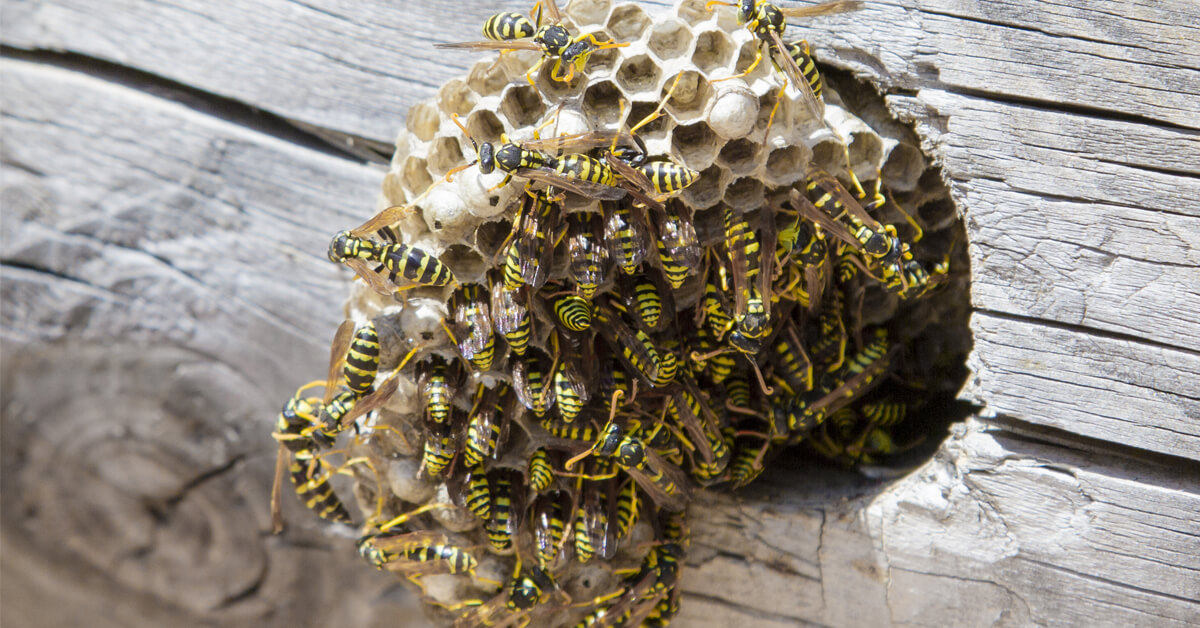


As summer winds down in New Jersey, Pennsylvania, Delaware, and the Eastern Shore of Maryland, stinging insects don’t disappear—they often become more noticeable and more aggressive. Yellow jackets, hornets, and wasps are especially active in late summer and fall, which increases the risk of painful stings during everyday outdoor activities like yardwork, grilling, or even walking through your own property.
Understanding why this happens—and how to prevent encounters—can make a big difference in keeping your home and family safe during peak stinging insect season.
Why Stinging Insects Become More Aggressive in the Fall
Stinging insects such as yellow jackets and hornets follow a seasonal lifecycle. During spring and early summer, colonies are focused on growth. The queen builds the nest, and workers spend most of their time collecting protein-rich food to feed developing larvae.
During this stage, they are less likely to interact with people unless provoked.
By late summer and fall, however, the colony changes:
- Larvae production slows down or stops
- Worker insects are no longer focused on feeding young
- Natural food sources become scarcer
- Adults begin searching aggressively for sugar-based energy sources
This shift leads them directly toward human activity—especially outdoor food, drinks, trash, and anything sweet.
Why Fall Outdoor Activities Increase Risk
Stinging insects are drawn to areas where food and sugary substances are present. That’s why late-season picnics, barbecues, and outdoor gatherings often attract them.
They are especially sensitive to:
- Open food and drink containers
- Sugary spills (soda, juice, desserts)
- Garbage and recycling bins
- Fallen fruit and yard debris
Once one insect finds a food source, others quickly follow. If a nest is nearby, disturbing the area can trigger a defensive swarm.
Hidden Nests Make Fall Chores Risky
One of the biggest dangers in the fall is accidentally disturbing a nest while doing routine yardwork.
Common nest locations include:
- Under eaves and rooflines
- Inside wall voids or soffits
- Underground burrows (especially yellow jackets)
- Wood piles or stacked debris
- Dense shrubs or landscaping
Activities like mowing the lawn, trimming bushes, cleaning gutters, or stacking firewood can unknowingly disturb these nests.
When this happens, stinging insects release alarm pheromones, which can trigger a rapid, aggressive swarm response.
Why Stings Can Be Dangerous
Most stinging insect encounters result in pain, swelling, and irritation—but for some individuals, the risk is much higher.
Stings can lead to severe allergic reactions, including anaphylactic shock, which may cause:
- Swelling of the throat or tongue
- Difficulty breathing
- Rapid drop in blood pressure
- Life-threatening complications if not treated immediately
Because of this risk, fall stinging insect activity should always be taken seriously—especially if nests are suspected near living or work areas.
How to Reduce Stinging Insect Activity Around Your Home
While you can’t eliminate all risk, you can make your property significantly less attractive to stinging insects:
- Seal cracks, gaps, and openings in exterior walls
- Repair or screen soffits, vents, and eaves
- Install tight-fitting chimney caps
- Keep trash cans tightly closed
- Clean up food spills immediately outdoors
- Avoid leaving sugary drinks or food uncovered
- Inspect yard areas before mowing or trimming
These steps reduce nesting opportunities and food access, which helps discourage colonies from establishing near your home.
Why DIY Removal Is Risky
Attempting to remove a nest without proper equipment or training can be dangerous. Disturbing a colony often results in:
- Multiple stings at once
- Full swarm activation
- Increased aggression toward perceived threats
This is especially true for yellow jackets, which are known to be highly defensive and can sting repeatedly.
When to Call a Professional
If you suspect a nest on your property or notice increased stinging insect activity, professional removal is the safest option. Experts can identify nest locations, treat infestations safely, and reduce the chance of recurrence.
For homeowners in the region, Viking Pest Control provides stinging insect control services designed to safely eliminate nests and reduce the risks associated with late-season activity.
Their trained technicians are equipped to handle hornets, yellow jackets, and wasps in hard-to-reach or high-risk areas, helping homeowners avoid dangerous DIY encounters.
Stay Ahead of Fall Stinging Insects with Viking Pest Control
Fall stinging insect activity is not random—it’s the result of seasonal changes in colony behavior and food availability. That’s why this time of year often brings more aggressive encounters, especially during outdoor chores and gatherings.
With proper prevention and prompt professional support when needed, you can significantly reduce your risk and keep your property safer throughout the season.