


Why Are There Holes in My Clothes? Signs of Clothes Moths and Fabric Pests


As temperatures begin to drop, many homeowners start unpacking sweaters, coats, scarves, and winter blankets that have been tucked away for months. But nothing is more frustrating than pulling out your favorite sweater only to discover tiny holes, frayed fabric, or damaged seams.
If you’ve noticed unexplained holes in clothing, carpeting, or stored fabrics, you may be dealing with fabric pests like clothes moths or carpet beetles. These destructive pests often remain hidden for long periods of time, causing damage before homeowners even realize there’s a problem.
What Causes Holes in Clothing?
Small holes in clothing are commonly caused by the larvae of clothes moths and carpet beetles. While adult insects are relatively harmless, their larvae feed on natural fibers found in many household fabrics.
Common materials targeted by fabric pests include:
- Wool
- Silk
- Fur
- Felt
- Feathers
- Hair-containing fabrics
- Carpeting and rugs
- Upholstered furniture
- Stored bedding and blankets
Seasonal clothing stored in dark closets, attics, or basements is especially vulnerable to infestation.
What Are Clothes Moths?
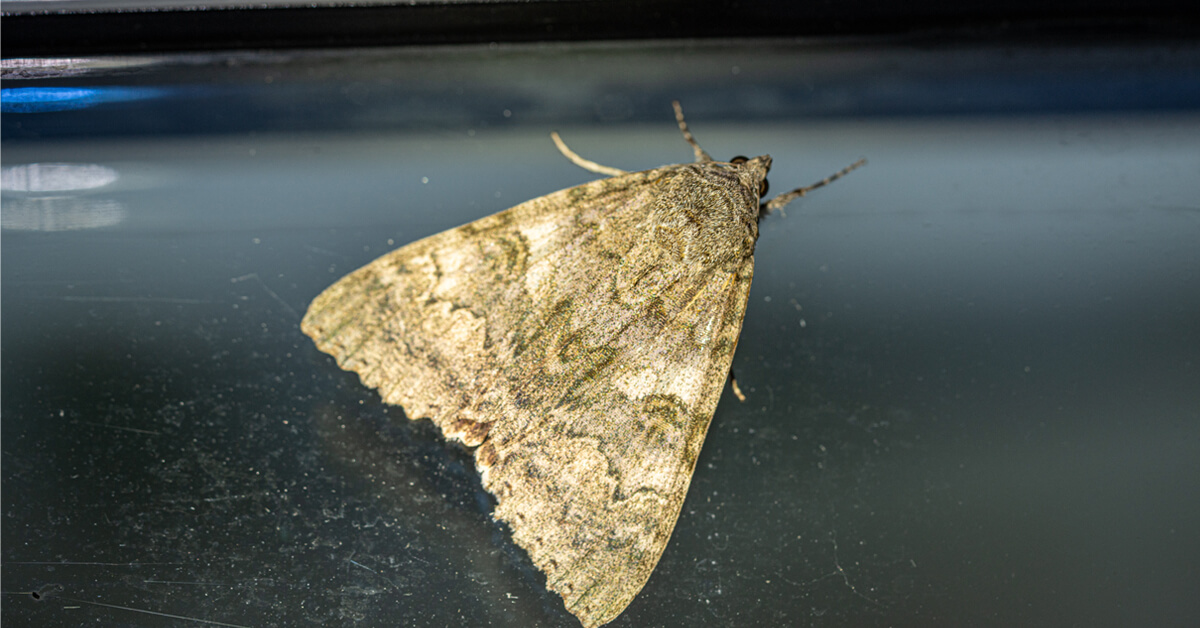
Clothes moths are small, buff-colored moths that prefer dark, quiet storage areas rather than outdoor lights or open spaces. Unlike other moth species you may see flying around your porch light during the summer, clothes moths spend their time hidden inside closets, storage containers, and attics.
The real damage comes from clothes moth larvae. These tiny white caterpillar-like pests feed aggressively on natural fibers, chewing holes through clothing and fabrics as they grow.
If left untreated, clothes moths continue reproducing, allowing new larvae to hatch and spread damage throughout your home.
What Are Carpet Beetles?
Carpet beetles are another common fabric pest found in homes throughout New Jersey, Pennsylvania, Delaware, and Maryland. These pests are often accidentally brought indoors through:
- Potted plants
- Fresh flowers
- Secondhand furniture
- Infested fabrics or clothing
Like clothes moths, carpet beetle larvae feed on natural fibers and can damage clothing, rugs, upholstery, and stored linens.
Why Fabric Pests Are Attracted to Your Home
Fabric pests thrive in areas with little activity and minimal light. Closets, storage bins, attics, and basements create ideal hiding places where fabrics can sit undisturbed for months.
Several factors attract clothes moths and carpet beetles, including:
- Dust accumulation
- Pet hair and human hair
- Lint and fabric fibers
- Humid conditions
- Long-term clothing storage
Because these pests avoid open activity, infestations often go unnoticed until significant damage has already occurred.
Signs You May Have Fabric Pests
You may have clothes moths or carpet beetles in your home if you notice:
- Small holes in sweaters, coats, or blankets
- Thinning or fraying fabric
- Damage to carpeting or rugs
- Shed insect skins
- Larvae inside closets or storage bins
- Small moths or beetles near stored fabrics
The sooner these pests are identified, the easier it is to prevent widespread damage.
How to Prevent Clothes Moths and Carpet Beetles
Preventing fabric pests starts with reducing the conditions they need to survive.
Keep Storage Areas Clean
Regular vacuuming and dusting help remove lint, hair, and debris that attract fabric pests.
Wash Clothing Before Storage
Dirty clothing with body oils, food residue, or sweat is more attractive to clothes moths and carpet beetles.
Reduce Humidity
Using a dehumidifier in attics, basements, and storage spaces can help make these areas less hospitable to pests.
Store Fabrics Properly
Keep seasonal clothing in airtight bins or sealed garment bags whenever possible.
Inspect New and Secondhand Items
Always inspect furniture, rugs, and clothing before bringing them indoors to avoid accidentally introducing fabric pests into your home.
Professional Fabric Pest Control
Once clothes moths or carpet beetles become established, eliminating all eggs and larvae can be difficult without professional treatment.
At Viking Pest Control, our experienced pest professionals can identify the source of the infestation, treat affected areas, and help protect your clothing and household fabrics from further damage. We also provide prevention recommendations to help reduce the risk of future infestations.
If you’ve noticed holes in clothing, damaged fabrics, or signs of fabric pests in your home, professional pest control can help stop the problem before it spreads further.