


Why Are Crickets in My Basement? Understanding House Crickets and Cave Crickets


Hearing crickets chirping outside on a summer evening can be relaxing. Finding them jumping across your basement floor at night is a completely different story.
Whether you’re dealing with noisy house crickets or large, creepy cave crickets hiding in damp corners, cricket infestations inside the home can quickly become frustrating. These pests are especially common in basements, crawl spaces, garages, and other dark, moist areas throughout New Jersey, Pennsylvania, Delaware, and Maryland.
Types of Crickets Found in Homes
Several cricket species can invade homes, but house crickets and cave crickets are among the most common.
House Crickets
House crickets are light brown insects with long antennae and powerful hind legs that allow them to jump quickly. They are well known for the constant chirping sounds males produce to attract mates.
Although house crickets typically live outdoors in lawns, fields, wooded areas, and roadsides, they often move indoors as temperatures begin cooling in late summer and fall.
Once inside, they may hide in:
- Wall voids
- Cabinets
- Basements
- Utility rooms
- Cracks and crevices
Because they are nocturnal, homeowners often hear them chirping throughout the night before ever spotting them.
Cave Crickets
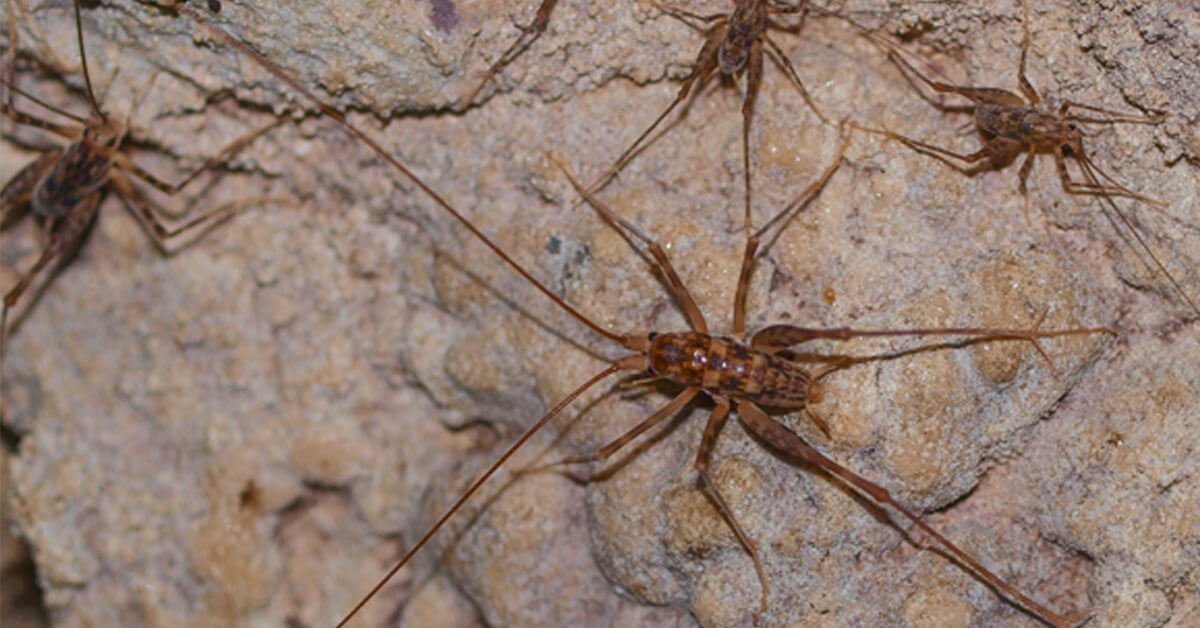
Cave crickets, sometimes called spider crickets or camel crickets, are very different from traditional crickets. They do not chirp and do not have wings. Instead, they rely on their large hind legs to jump away from danger.
These pests are typically:
- Brown in color
- About 1 to 1½ inches long
- Equipped with extremely long antennae
- Found in damp, dark environments
Cave crickets can startle homeowners because of their size and sudden jumping behavior, but they are generally harmless to humans.
Why Crickets Enter Homes
Both house crickets and cave crickets are attracted to moisture, shelter, and protection from outdoor weather conditions.
Crickets commonly enter homes through:
- Gaps around doors and windows
- Foundation cracks
- Utility openings
- Damaged weather stripping
- Basement vents
Damp basements, crawl spaces, and storage areas create ideal hiding places for these pests.
What Attracts Cave Crickets?
Cave crickets thrive in cool, moist environments. Outdoors, they are commonly found in:
- Leaf piles
- Rotting logs
- Firewood stacks
- Mulch
- Caves and wooded areas
Inside homes, basements with excess humidity provide the perfect environment for them to survive.
What Do Crickets Eat?
Crickets feed on a variety of organic materials.
House crickets typically eat:
- Plant material
- Dead insects
- Organic debris
Cave crickets feed on:
- Fungus
- Decaying matter
- Fabrics
- Paper products
- Plant material
In severe infestations, cave crickets may even damage stored fabrics, cardboard boxes, or paper items in basements and storage areas.
Are Crickets Dangerous?
Crickets are not considered dangerous pests, but they can become a major nuisance inside the home.
Problems associated with cricket infestations include:
- Constant nighttime chirping
- Damage to fabrics and paper products
- Startling jumping behavior
- Large indoor populations
- Unpleasant odors from heavy infestations
While crickets rarely bite, they may do so if handled improperly.
How to Prevent Crickets in Your Home
Reducing moisture and sealing entry points are the best ways to prevent cricket infestations.
Reduce Basement Moisture
Using dehumidifiers and improving ventilation can help eliminate the damp conditions that attract cave crickets.
Seal Entry Points
Inspect and seal gaps around:
- Windows
- Doors
- Foundation cracks
- Pipes and utility lines
- Basement vents
Eliminate Outdoor Harborage Areas
Reduce leaf piles, stacked firewood, and excess mulch near your foundation to make your property less attractive to crickets.
Keep Storage Areas Clean
Avoid clutter in basements and garages where crickets can easily hide.
Professional Cricket Control
Once crickets establish themselves indoors, eliminating them completely can be difficult without professional treatment. Hidden populations inside walls, crawl spaces, and basements often continue reproducing if the source of the infestation is not addressed.
At Viking Pest Control, our experienced professionals can identify the type of cricket invading your home, eliminate existing infestations, and help prevent future problems through targeted pest control and exclusion strategies.
If crickets are invading your basement or keeping you awake at night, professional pest control can help restore comfort to your home.