

Leptospirosis: What Pet Owners and Homeowners Need to Know


Leptospirosis (“lepto”) has become an increasing concern for pet owners in New Jersey and the surrounding Tri-State area. With recent cases affecting dogs in Northern New Jersey and New York, it’s important for homeowners to understand what this disease is, how it spreads, and how to reduce the risk of infection.
While leptospirosis is not new, the way it spreads and its potential impact on both animals and humans makes it a serious issue that should not be ignored.
What Is Leptospirosis?
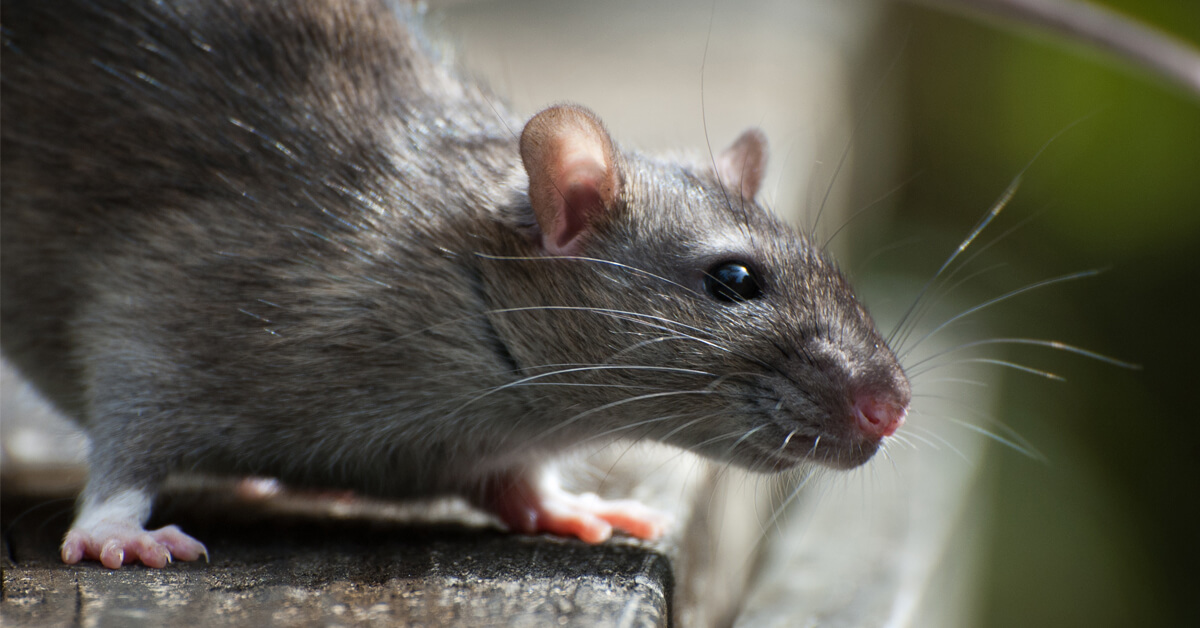
Leptospirosis is a bacterial infection commonly spread through the urine of infected wildlife, especially rodents such as rats and squirrels.
Dogs are often exposed when they:
- Drink from puddles or standing water contaminated with infected urine
- Come into contact with contaminated soil or water through their mouth, eyes, or open wounds
Once infected, dogs can pass the bacteria through bodily fluids, creating additional risk for other animals and, in rare cases, humans.
Why Leptospirosis Matters (Zoonotic Risk)
Leptospirosis is a zoonotic disease, meaning it can spread from animals to humans.
While human infection is less common, it can occur through:
- Direct contact with infected urine
- Exposure to contaminated water or soil
- Contact with infected animals
Because of this, leptospirosis is both a veterinary and public health concern, especially in areas with high rodent activity.
Symptoms of Leptospirosis
Symptoms can vary widely and may resemble other illnesses, which is why diagnosis is often delayed.
In Dogs and Animals:
- Fever
- Vomiting
- Diarrhea
- Increased thirst
- Muscle tenderness
- Fatigue or low energy
- Shaking
- Jaundice (yellowing of skin or gums)
- Dehydration
In Humans:
- High fever
- Chills
- Muscle aches
- Headache
- Vomiting
- Diarrhea
- Rash
- Abdominal pain
- Red eyes
- Jaundice
If left untreated, leptospirosis can progress to severe kidney or liver damage and may become life-threatening.
Treatment and Prevention
Treatment Options
Leptospirosis is typically treated with antibiotics. Early detection is critical for both animals and humans, as treatment is most effective in the early stages.
Veterinarians may also recommend supportive care depending on severity.
Prevention for Pets
- Vaccinate dogs annually against leptospirosis
- Prevent drinking from puddles or standing water
- Supervise pets outdoors, especially after rainfall
- Provide clean, safe drinking water during walks or outdoor activity
Prevention for Homeowners
- Address rodent activity quickly and thoroughly
- Eliminate standing water around the property
- Wear gloves when cleaning areas potentially contaminated by rodents
- Wash hands after handling pets or cleaning outdoor areas
How Rodents Spread Leptospirosis
Rodents are one of the primary carriers of leptospirosis. The bacteria can survive in water and soil for weeks or even months after contamination.
Infected animals may show no symptoms, which makes the spread even harder to detect. This is why rodent control plays a major role in reducing leptospirosis risk around homes and businesses.
Rodent Control
The most effective long-term prevention method is reducing rodent populations around your property.
Professional rodent control programs, such as SMART monitoring systems, help detect activity early and prevent infestations before they grow. These systems can provide continuous monitoring and early warnings of rodent presence, helping reduce the risk of disease transmission.
Prevent Leptospirosis with Viking Pest Control
Leptospirosis is a serious but preventable disease. While the overall risk to humans remains relatively low, the impact on pets—especially dogs—can be severe.
Understanding how it spreads and taking proactive steps to control rodents, protect pets, and eliminate exposure to contaminated water sources can significantly reduce risk for both your household and your community. We at Viking are here to help. Contact us today!