


Carpenter Ants in Your Home? Here's What You Need to Know
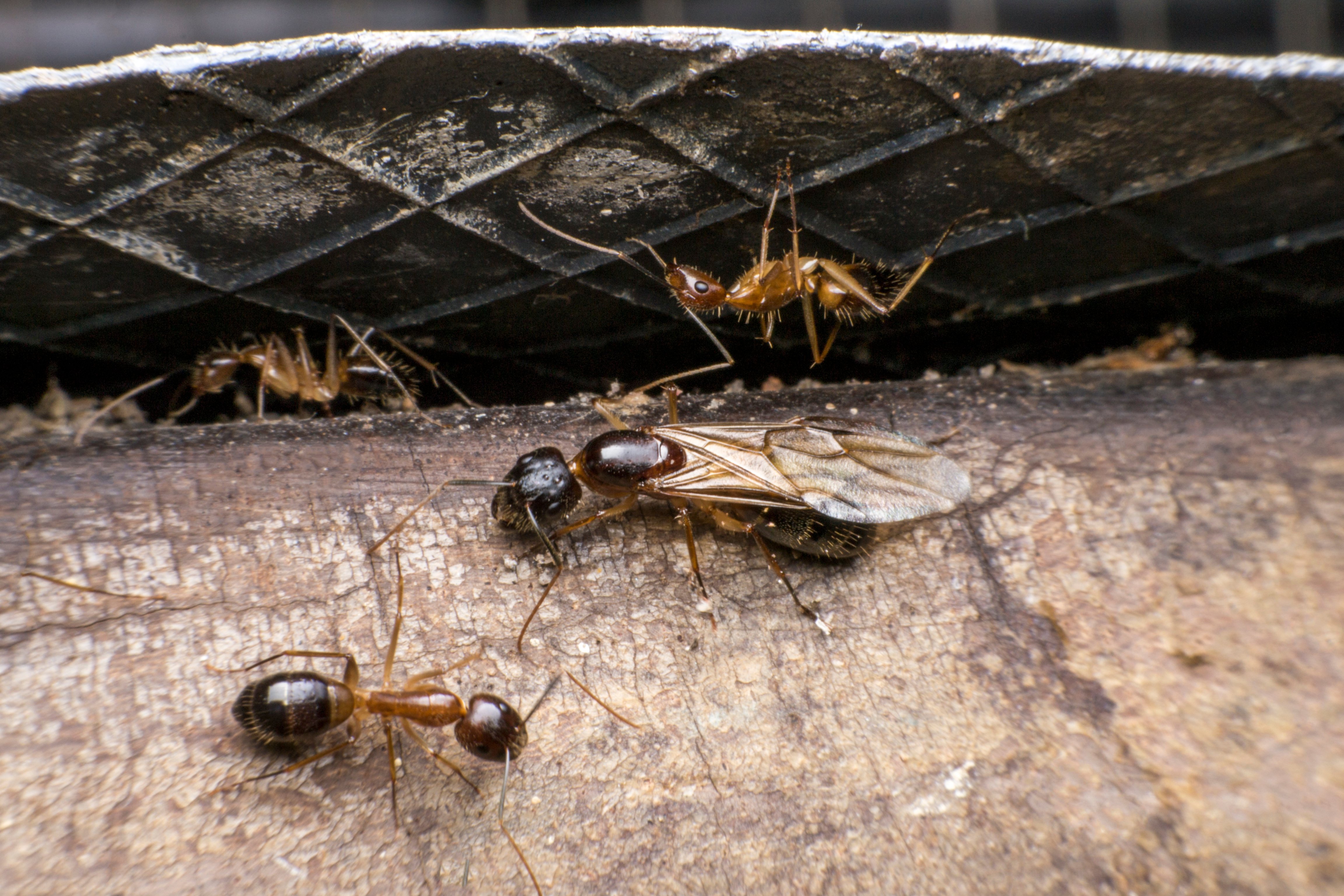


Carpenter ants may seem like just another household nuisance, but these destructive pests can cause serious structural damage if they invade your home. Unlike termites, carpenter ants do not eat wood. Instead, they tunnel through it to build nests, weakening wooden structures over time and creating costly repair issues for homeowners.
Knowing how to identify carpenter ants, recognize the warning signs of an infestation, and prevent them from moving in can help protect your home from long-term damage.
What Do Carpenter Ants Look Like?
Carpenter ants are much larger than many common household ants, usually measuring between 1/4 and 3/4 of an inch long depending on their role within the colony.
Some common identifying features include:
- Black, dark brown, red, or red-and-black coloring
- Segmented bodies with narrow waists
- Elbowed antennae
- Large mandibles used for chewing through wood
- Rounded thorax profiles
Winged carpenter ants may also appear indoors during mating season. Spotting flying ants inside your home can sometimes indicate a mature nest nearby.
Why Carpenter Ants Are Dangerous
Carpenter ants can become a major problem once they establish satellite colonies inside homes. Over time, they tunnel through damp or damaged wood to create smooth, hollow galleries for nesting.
They commonly target:
- Support beams
- Window frames
- Roof structures
- Flooring
- Cabinets
- Wall voids
- Crawl spaces
- Attics
Large colonies can contain thousands of worker ants continuously expanding tunnels through wooden structures. Left untreated, carpenter ant activity may weaken parts of your home and lead to expensive structural repairs.
Signs of a Carpenter Ant Infestation
Carpenter ants are often active at night, making infestations difficult to detect early. Some common warning signs include:
Small Piles of Sawdust
Carpenter ants leave behind wood shavings known as frass as they tunnel through wood. These small piles often appear beneath walls, windowsills, baseboards, or wooden structures.
Rustling or Tapping Sounds
You may hear faint rustling noises inside walls or ceilings at night as ants move through their galleries.
Large Ants Indoors
Finding large black ants regularly inside your kitchen, bathroom, or basement may indicate a nearby nest.
Flying Ants Inside the Home
Winged reproductive ants emerging indoors can signal a mature infestation hidden within walls or wooden structures.
Smooth Tunnels in Wood
Unlike termites, carpenter ants create smooth and clean galleries inside wood rather than rough or mud-filled tunnels.
Ant Trails
Worker ants often travel in visible trails while searching for food sources, especially during the evening hours.
What Attracts Carpenter Ants
Carpenter ants are strongly attracted to moisture-damaged or decaying wood. Homes with water issues are especially vulnerable to infestations.
Common attractants include:
- Roof leaks
- Plumbing leaks
- Damp crawl spaces
- Rotting wood
- Water-damaged window frames
- Wet basements
- Firewood piles
- Tree stumps
- Decaying logs
Food sources also play a role. Carpenter ants feed on:
- Sugary foods
- Grease
- Protein-based foods
- Honeydew produced by aphids
- Other insects
Even small crumbs or spills inside the home can attract foraging ants.
How to Help Prevent Carpenter Ants
Reducing moisture and removing nesting opportunities can help lower your risk of infestation.
Eliminate Damp Wood
Repair leaks promptly and replace rotting or water-damaged wood around the home.
Store Firewood Properly
Keep firewood elevated off the ground and stored away from the home in a dry location.
Trim Vegetation
Cut back shrubs, bushes, and tree branches that touch your home to reduce access points.
Remove Yard Debris
Old stumps, logs, leaves, and decaying wood can become nesting sites near your property.
Seal Entry Points
Inspect your home for cracks, gaps, and openings around windows, doors, siding, and foundations.
Reduce Indoor Moisture
Use dehumidifiers in basements or crawl spaces and improve ventilation where needed.
Why DIY Carpenter Ant Treatments Often Fail
Many homeowners attempt to eliminate carpenter ants using over-the-counter sprays or bait products. While these products may kill visible ants, they often fail to eliminate the entire colony.
Carpenter ants frequently establish hidden satellite nests behind walls, under floors, or inside structural wood. Treating only the ants you see rarely solves the root of the problem.
Improper use of store-bought pesticides can also create safety concerns for children and pets and may even cause colonies to spread into new areas of the home.
Professional Carpenter Ant Control with Viking Pest Control
Successful carpenter ant treatment requires locating the nest, eliminating the colony, and addressing the conditions attracting the ants in the first place.
Viking Pest Control provides carpenter ant control services throughout New Jersey, Pennsylvania, Delaware, and the Eastern Shore of Maryland. Their pest management professionals can inspect your home, identify nesting activity, and create a customized treatment and prevention plan designed to protect your property long-term.
You can learn more about their ant control services here: