


Bees vs. Wasps in Winter: What Homeowners in NJ, PA, MD, and DE Need to Know
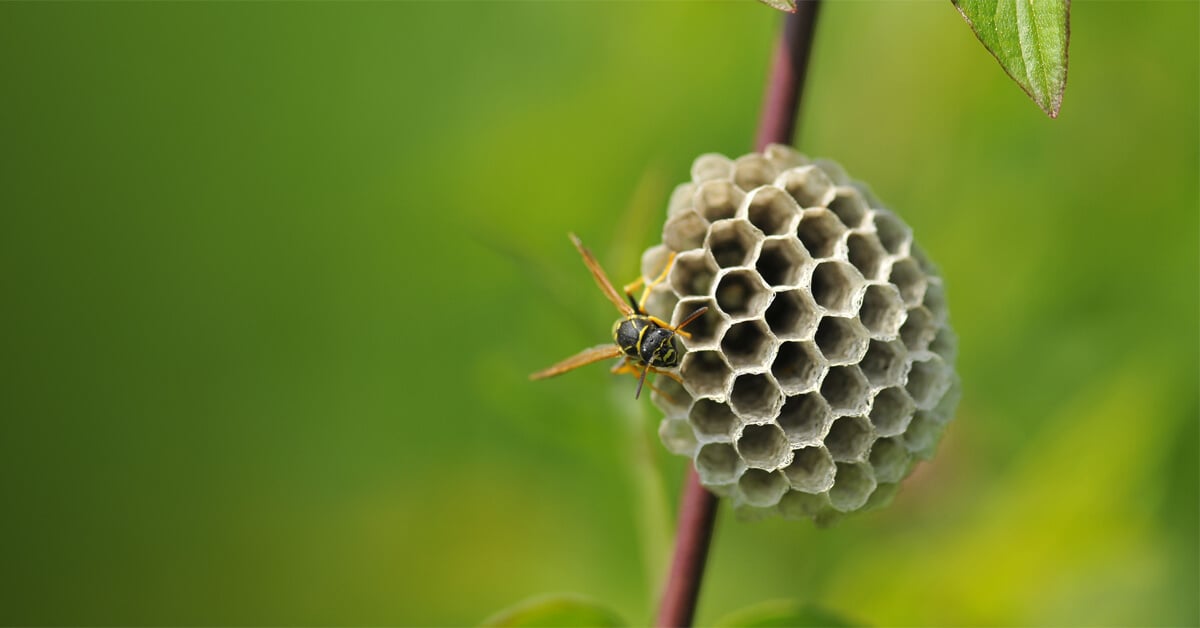


As temperatures begin to cool across New Jersey, Pennsylvania, Delaware, and the Eastern Shore of Maryland, many homeowners assume stinging insects disappear completely for the winter. But while some species die off after the first hard freeze, others survive the cold in surprising ways. Late summer and fall are often when wasps become most aggressive, and understanding the difference between bees and wasps can help protect your family and property.
At Viking Pest Control, we regularly help homeowners identify stinging insects, remove nests safely, and prevent future infestations before winter arrives.
How to Tell the Difference Between Bees and Wasps
Bees and wasps are commonly mistaken for one another because many species share similar black and yellow coloring. However, there are several key differences homeowners can look for.
Bees
Bees typically have:
- Thick, rounded bodies
- Dense, fuzzy hair covering their body
- A more docile temperament
- Hooked stingers that are usually lost after stinging once
Most bee species are pollinators and generally only sting when threatened or protecting their hive.
Wasps
Wasps usually have:
- Thin, narrow waists
- Smooth, shiny bodies
- Longer, more slender appearances
- Straight stingers that allow them to sting multiple times
Wasps, especially yellow jackets, are much more aggressive than bees and may attack even without direct provocation.
Why Wasps Become More Aggressive in the Fall
During late summer and early fall, natural food sources begin to decline. As colonies compete for resources, yellow jackets and other wasps become increasingly aggressive around homes, gardens, trash cans, and outdoor gatherings.
Homeowners often encounter wasps while:
- Raking leaves
- Pruning shrubs
- Mulching gardens
- Cleaning outdoor spaces
- Disturbing hidden underground nests
Unlike bees, yellow jackets may sting repeatedly and often attack in groups when they feel threatened.
What Happens to Wasps in the Winter?
Most wasp colonies do not survive the winter.
Once freezing temperatures arrive:
- Worker wasps and drones die off
- The nest becomes abandoned
- Only newly fertilized queens survive
These queens burrow underground or hide in protected spaces until spring, when they emerge to build entirely new colonies.
This is why old wasp nests are usually not reused the following year, although new nests may appear nearby.
What Happens to Bees During Winter?
Bees survive winter very differently than wasps.
Honey bees remain active inside their hives throughout the colder months by:
- Clustering together for warmth
- Feeding on stored honey
- Protecting the queen
- Maintaining hive temperatures
As soon as spring arrives, bees resume pollinating flowers and plants.
Because bees play an important role in pollination, professional identification is extremely important before attempting any treatment around your property.
Which Insects Stay Active During Winter?
Not all insects disappear during cold weather. Some pests remain active all winter long, especially when they move indoors.
Winter-Active Pests Include:
- Carpenter ants
- Pharaoh ants
- Termites
- Stink bugs
- Boxelder bugs
- Cluster flies
- Asian lady beetles
Some insects survive by nesting deep underground below the frost line, while others enter a dormant state called diapause and hide inside attics, soffits, and wall voids.
On warm winter days, homeowners may suddenly notice these overwintering pests emerging indoors.
Why You Should Never Handle Stinging Insect Nests Yourself
Attempting to remove or spray a bee or wasp nest without professional equipment can be dangerous. Disturbing a colony may trigger aggressive defensive behavior and increase the risk of multiple stings.
Professional identification matters because treatment methods vary depending on:
- The insect species
- Nest location
- Colony size
- Time of year
- Risk to people and pets
At Viking Pest Control, our trained technicians can safely identify and remove stinging insect nests while helping prevent future activity around your home.
Professional Bee and Wasp Control From Viking Pest Control
Whether you are dealing with aggressive yellow jackets in the fall or overwintering insects around your home, Viking Pest Control provides effective seasonal pest control services throughout New Jersey, Pennsylvania, Delaware, and the Eastern Shore of Maryland.
Our experts can:
- Identify bees, wasps, and other stinging insects
- Remove dangerous nests safely
- Treat overwintering pest problems
- Provide year-round pest prevention plans
- Help protect your family from recurring infestations
If you notice increased wasp activity or suspect a nest on your property, contact Viking Pest Control today for a professional inspection and treatment plan.