


What Does Termite Damage Look Like? Signs of Termites and How to Protect Your Home
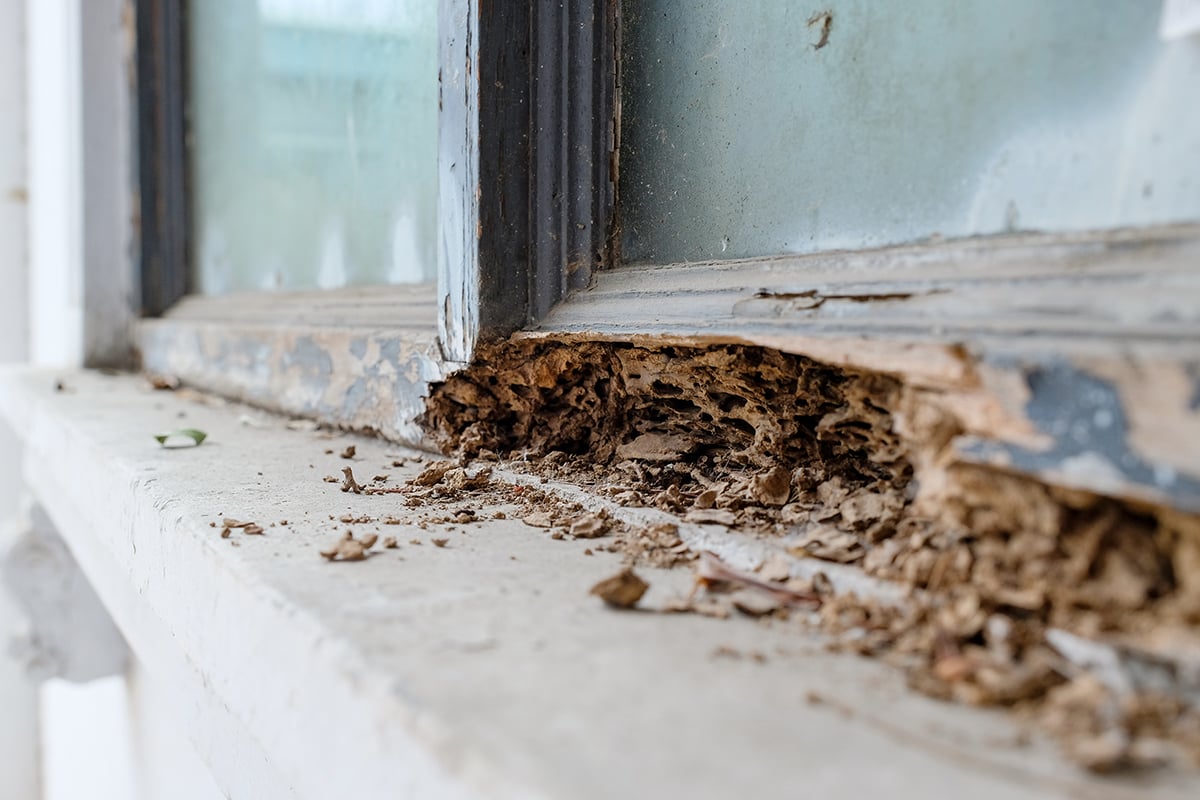


Termites may be small, but the damage they cause can be enormous. Every year, termites are responsible for billions of dollars in property damage across the United States, silently feeding on the wooden structures that support homes and businesses. Unfortunately, many homeowners don’t realize they have a termite problem until significant damage has already occurred.
Subterranean termites — the most destructive termite species in New Jersey, Pennsylvania, Delaware, and Maryland — work quietly behind walls, beneath floors, and inside structural wood. Knowing the warning signs of termite activity can help you catch an infestation early and prevent costly repairs.
Common Signs of Termite Damage
Because termites usually remain hidden inside wood or underground, they can be difficult to detect. However, there are several warning signs homeowners should watch for.
Sagging or Warped Floors and Ceilings
As termites feed on wooden support structures, they weaken the integrity of your home. Over time, this can cause floors to sag, ceilings to warp, or doors and windows to become difficult to open and close properly.
Hollow-Sounding Wood
Termites eat wood from the inside out. If you tap on walls, flooring, or wooden furniture and hear a hollow sound, termite damage may already be present beneath the surface.
Mud Tubes Around the Home
Subterranean termites build mud tubes to travel safely between their colony and food sources while protecting themselves from predators and dry air. These pencil-sized tunnels are commonly found:
- Along foundations
- Near pipes
- In crawl spaces
- Around framing
- Inside basements or attics
Mud tubes are one of the clearest signs of active termite activity.
Discarded Wings
During termite swarm season, reproductive termites leave their colony to establish new nests. After swarming, they shed their wings. Small piles of discarded wings near windowsills, doors, or light fixtures can indicate a nearby infestation.
Frass or Termite Droppings
Some termite species leave behind droppings that resemble tiny wood-colored pellets or sawdust. If you notice these materials accumulating near wood structures, termites may be feeding nearby.
Where to Look for Termite Damage
Termite infestations often go unnoticed because the damage happens behind walls or beneath surfaces. Regular inspections of vulnerable areas can help uncover problems earlier.
Areas to Inspect for Termites
Be sure to examine:
- Interior walls and wooden trim
- Basements and crawl spaces
- Attics
- Wooden decks and porches
- Fence posts
- Wood piles
- Areas where wood touches soil
- Moist or water-damaged areas
Subterranean termites are especially attracted to moisture and wood-to-soil contact.
Why Subterranean Termites Are So Destructive
Subterranean termites are the most common and destructive termites in the Mid-Atlantic region. Unlike some pests that remain visible, subterranean termites live underground and tunnel into homes from below.
Once inside, they can feed continuously for years without detection.
How Subterranean Termites Spread
These termites build underground colonies and travel through mud tubes to access food sources. When they find wood, worker termites begin feeding and recruiting other termites to the area.
One reason subterranean termites are so dangerous is because they share food through a process called trophallaxis. During this process, termites transfer food — and termite treatment materials — throughout the colony, including to the queen.
Without professional intervention, a colony can continue growing and expanding its damage over time.
Can You Hear Termites?
Most homeowners never hear termites at all.
Unlike rodents or larger pests, termites work almost silently inside walls, floors, and support beams. By the time visible damage appears, the infestation may already be extensive.
This is why preventative termite monitoring and early detection systems are so important.
How to Prevent Termite Damage
Preventing termites starts with reducing conditions that attract them and investing in proactive termite protection.
Reduce Moisture Around Your Home
Termites thrive in damp environments. To make your property less attractive:
- Repair leaking pipes and faucets
- Improve drainage around the foundation
- Use dehumidifiers in damp crawl spaces or basements
- Clean gutters regularly
Eliminate Wood-to-Soil Contact
Avoid direct contact between soil and wood whenever possible. Wooden siding, deck posts, and supports should remain elevated above soil level.
Remove Wood Debris
Clear away:
- Firewood piles
- Tree stumps
- Mulch buildup
- Scrap lumber
- Dead branches
These materials can attract termites to your property.
Schedule Regular Termite Inspections
Professional termite inspections are one of the best ways to identify activity before major structural damage occurs. Trained technicians know where termites hide and can detect subtle warning signs homeowners often miss.
Professional Termite Treatment Options
If termites are discovered, professional treatment is critical for eliminating the colony and preventing future infestations.
Termite Bait Stations
Bait stations are placed in the ground around your property where subterranean termites forage. Workers carry the bait back to the colony, spreading the treatment to other termites and eventually eliminating the colony at its source.
Liquid Termite Barrier Treatments
Liquid perimeter treatments create a protective barrier around your home. As termites pass through treated soil, they transfer the product throughout the colony.
These treatments help stop termite activity before it reaches your home’s structure.
What to Do if You Suspect Termites
If you notice signs of termite damage, don’t wait. Early treatment can significantly reduce repair costs and prevent further structural damage.
Steps to Take Immediately
- Schedule a professional termite inspection
- Avoid disturbing visible termite activity
- Address moisture issues around the home
- Remove wood debris and vegetation near the foundation
- Discuss preventative treatment options with a licensed pest professional
Protect Your Home with Viking Pest Control
Termites are stealthy pests capable of causing severe structural damage before homeowners even realize they’re there. The good news is that early detection and professional termite protection can help safeguard your property.
Viking Pest Control provides termite inspections, termite bait stations, and advanced termite treatment solutions for homeowners throughout New Jersey, Pennsylvania, Delaware, and Maryland. Our experienced team can identify termite activity, eliminate active infestations, and help protect your home from future damage.
If you suspect termite activity or want proactive termite protection, contact Viking Pest Control today for a free termite inspection and estimate.