


Tick Prevention Tips for Families, Pets, and Yards


Ticks are a growing concern throughout New Jersey, Pennsylvania, Delaware, and Maryland, especially during the spring and summer months when outdoor activity increases. These tiny pests are more than just a nuisance — they can spread illnesses like Lyme disease, Rocky Mountain spotted fever, and other tick-borne diseases to both humans and pets.
Because ticks are often as small as a poppy seed, preventing bites starts with knowing where ticks live, how to check for them, and how to reduce tick activity around your property.
Where Ticks Hide
Ticks are commonly found in wooded areas, tall grass, brush piles, leaf litter, and overgrown vegetation. They often enter residential yards by attaching to wildlife such as deer, mice, raccoons, and other animals. Once on your property, ticks can easily attach themselves to people and pets spending time outdoors.
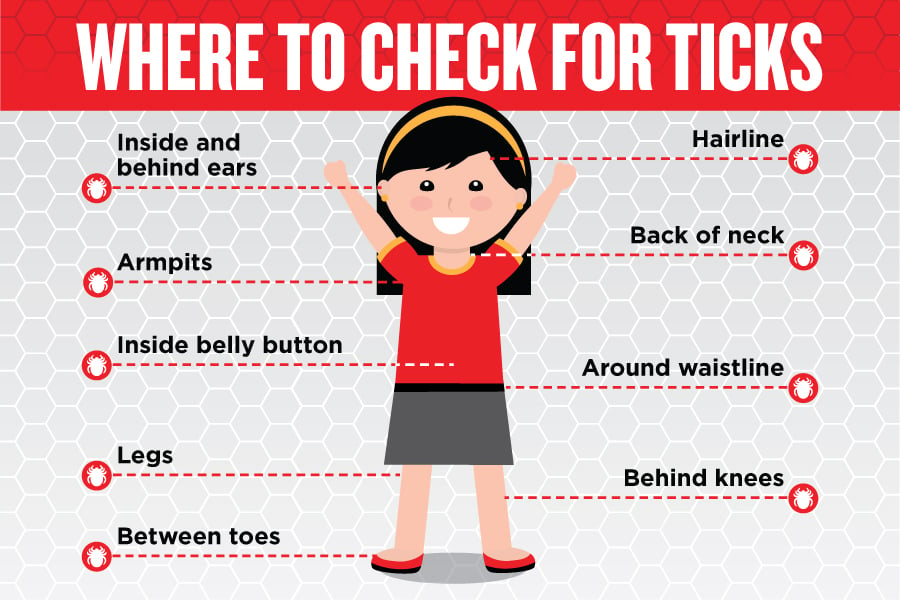
After being outside, it’s important to thoroughly check yourself, your children, and your pets for ticks. Common hiding spots include:
- Behind the knees
- Around the waist
- Under the arms
- Around the ears and scalp
- Back of the neck
- Between toes and around pet paws
- Under collars and around pets’ ears
Showering shortly after spending time outdoors can also help wash away unattached ticks and make inspections easier.
Sign of Tick-Borne Illness
Not every tick carries disease, but blacklegged ticks, also known as deer ticks, are known for spreading Lyme disease throughout the Northeast and Mid-Atlantic region.
Common symptoms of tick-borne illnesses may include:
- Fever and chills
- Fatigue
- Headaches
- Muscle or joint pain
- Swollen lymph nodes
- Rash or bull’s-eye rash near the bite
Symptoms may not appear immediately after a bite, so monitoring for changes and contacting a medical professional if symptoms develop is important.
How to Safely Remove a Tick
If you find an attached tick, remove it carefully using fine-tipped tweezers. Grasp the tick as close to the skin as possible and pull upward slowly with steady pressure. Avoid twisting or crushing the tick during removal.
After removal:
- Clean the bite area thoroughly with soap and water or rubbing alcohol
- Dispose of the tick in a sealed bag or container
- Monitor the bite area and overall health for symptoms
Quick removal can help reduce the risk of disease transmission.
How to Reduce Ticks Around Your Yard
Reducing tick populations around your home starts with proper yard maintenance and prevention. Helpful tick prevention strategies include:
- Keeping grass trimmed short
- Removing leaf litter and brush
- Trimming overgrown vegetation
- Creating barriers between wooded areas and lawns
- Discouraging wildlife activity around the property
- Using veterinarian-approved tick prevention for pets
Professional tick control treatments can also significantly reduce tick populations around your property. Preventative yard treatments target areas where ticks live and breed, helping families and pets enjoy outdoor spaces more comfortably throughout the season.
Professional Tick Control for Your Property
For homeowners looking for added protection, Viking Pest Control provides professional tick and mosquito control services throughout the Mid-Atlantic region. Viking’s preventative treatments help reduce tick activity in yards and outdoor living spaces while helping families enjoy the outdoors with greater peace of mind.
With local expertise and years of experience treating tick-prone properties throughout NJ, PA, DE, and MD, Viking can help you create a safer outdoor environment for your family and pets.