


Ultimate Guide to Identifying, Preventing, and Getting Rid of Termites
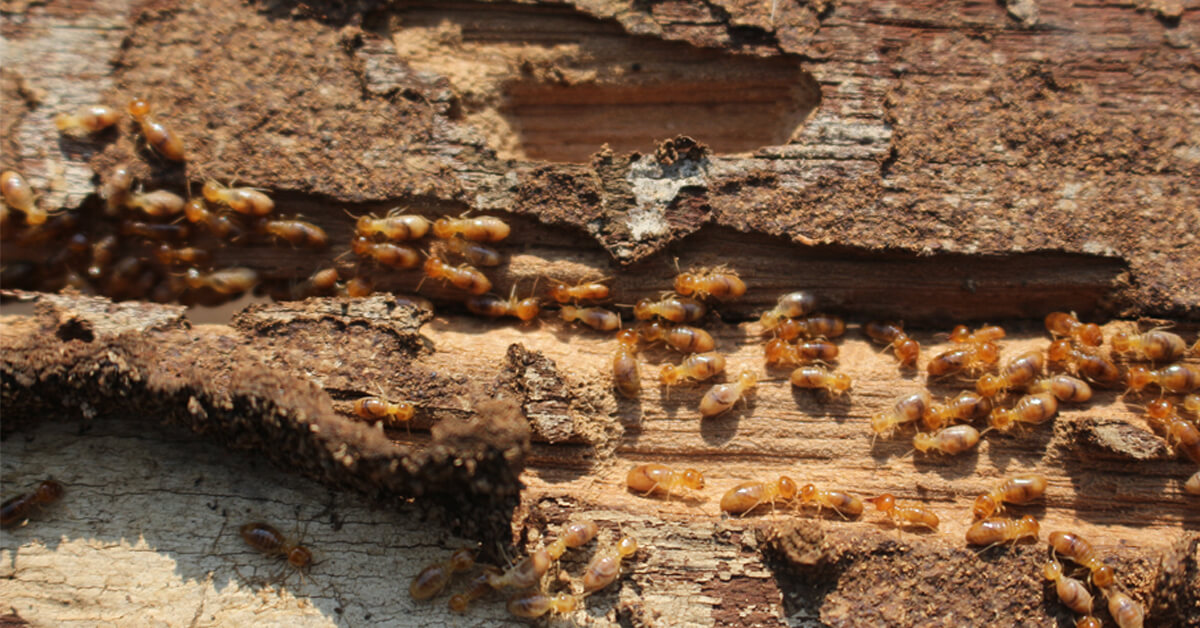


Termites are one of the most destructive pests homeowners can encounter. Every year, termites cause billions of dollars in structural damage across the United States, often silently eating away at homes long before the infestation is discovered. In New Jersey, Pennsylvania, Delaware, and the Eastern Shore of Maryland, the most common threat comes from Eastern subterranean termites, which live underground and feed on structural wood from the inside out.
Because termites are difficult to detect and even harder to eliminate without professional help, understanding the warning signs, risk factors, and treatment options is essential for protecting your home.
What Do Termites Look Like?
There are thousands of termite species worldwide, but homeowners in the Mid-Atlantic region most commonly encounter subterranean termites.
Termites are typically divided into three groups:
- Worker termites — small, pale cream-colored termites responsible for feeding and colony maintenance
- Soldier termites — termites with darker heads and strong jaws that defend the colony
- Swarmers (reproductive termites) — winged termites that leave mature colonies to start new infestations
Swarming termites are often mistaken for flying ants, but termites have:
- Straight antennae
- Thick waists
- Two pairs of equal-length wings
You may notice swarmers around windows, doors, or light sources during the spring months.
Signs of a Termite Infestation
One of the biggest challenges with termites is that infestations often go unnoticed until significant damage has already occurred. Termites work behind walls, beneath floors, and inside wooden structures 24 hours a day.
Here are the most common signs homeowners should watch for:
Mud Tubes
Subterranean termites build pencil-width mud tubes along foundations, crawl spaces, walls, and support beams. These tubes protect termites from drying out while they travel between their colony and food source.
Swarming Termites and Discarded Wings
A termite swarm usually occurs during warm spring days following rain. After swarmers find a place to establish a new colony, they shed their wings. Finding piles of discarded wings near windowsills, doors, or light fixtures is often one of the clearest signs of termite activity.
Hollow or Damaged Wood
Termites consume wood from the inside outward, often leaving only a thin outer layer intact. Damaged wood may:
- Sound hollow when tapped
- Appear blistered or warped
- Crack or splinter easily
- Show maze-like patterns beneath the surface
Warped Doors and Windows
As termites tunnel through wood, moisture can build up and cause doors and windows to stick or become difficult to open.
Frass (Termite Droppings)
Certain termite species leave behind tiny pellet-like droppings near infested wood or entry points.
Why Termites Are So Dangerous
Unlike many household pests, termites threaten the structural integrity of your home itself. Left untreated, termite infestations can:
- Weaken support beams and floor joists
- Damage walls, ceilings, and flooring
- Reduce property value
- Lead to expensive repairs not typically covered by homeowners insurance
In severe cases, termite damage can create major safety concerns within the structure of the home.
What Attracts Termites to Your Home?
Many termite infestations begin because properties unknowingly create ideal conditions for termites to thrive.
Common termite attractants include:
Moisture Problems
Leaky pipes, clogged gutters, poor drainage, and excess humidity create the damp conditions termites prefer.
Wood-to-Soil Contact
When wooden siding, decks, fences, or supports directly contact soil, termites gain easy access into the structure.
Firewood and Woodpiles
Stored firewood, rotting stumps, fallen branches, and wood debris near the home can attract termites to your property.
Mulch and Landscaping
Excessive mulch and overgrown landscaping retain moisture and provide hidden shelter for termites near the foundation.
Cracks and Foundation Gaps
Small cracks in foundations and exterior walls can serve as entry points for termites searching for food sources.
Do DIY Termite Treatments Work?
Termites are not a pest that homeowners should attempt to eliminate on their own. Most over-the-counter termite products only address visible activity and fail to eliminate the underground colony.
DIY termite control often fails because:
- Colonies can contain hundreds of thousands of termites
- Termites remain hidden inside walls and underground
- The queen must be eliminated to stop the infestation
- Incorrect treatment methods may allow the infestation to spread further
Professional termite treatment is the safest and most effective way to fully eliminate termite activity and protect your home long-term.
Why Professional Termite Inspections Matter
Routine termite inspections are one of the best ways to catch infestations early before serious structural damage occurs.
During a professional termite inspection, technicians look for:
- Mud tubes
- Wood damage
- Moisture issues
- Swarm activity
- Structural vulnerabilities
- Signs of previous infestations
Professional inspectors may also use specialized tools like moisture meters and sounding devices to identify hidden termite activity.
Annual termite inspections are strongly recommended for homeowners throughout NJ, PA, DE, and MD due to the high regional termite activity.
Learn more about Viking’s termite protection and monitoring solutions through our residential pest management services and preventative pest control programs.
How Professional Termite Treatments Work
At Viking Pest Control, termite treatment plans are customized based on the severity of the infestation, property layout, and termite species involved.
Professional termite control solutions may include:
Sentricon® System with Always Active™
This eco-friendly termite baiting system places strategically positioned bait stations around the property. Worker termites carry the bait back to the colony, eventually eliminating the queen and the entire colony.
Termidor® Treatments
Liquid termite treatments create protective barriers around the structure and help eliminate active infestations.
Ongoing Monitoring Systems
Proactive termite monitoring helps detect new termite activity before major infestations can develop.
What to Do if Your Neighbor Has Termites
If a nearby property has termites, your risk of infestation increases significantly. Subterranean termites can travel long distances underground while searching for food sources.
Even if you have not noticed visible signs of termites, scheduling a professional inspection can help determine whether termites have already reached your property.
How to Prevent Future Termite Problems
While no home is completely immune to termites, homeowners can reduce their risk by following a few preventative measures:
- Repair moisture leaks promptly
- Keep gutters clean and direct water away from the foundation
- Store firewood away from the home
- Remove dead trees and stumps
- Seal cracks and foundation openings
- Reduce wood-to-soil contact
- Trim vegetation away from the structure
- Schedule regular professional termite inspections
Protect Your Home from Termites
Termites are silent, destructive pests that can cause extensive damage before homeowners even realize there is a problem. Knowing the warning signs and acting quickly can help prevent costly repairs and long-term structural issues.
If you suspect termite activity or want to proactively protect your home, Viking Pest Control can help. Explore our termite control services, preventative pest management solutions, and professional termite inspections to keep your property protected year-round.