
Problems Pest Birds Bring to Homes and Businesses
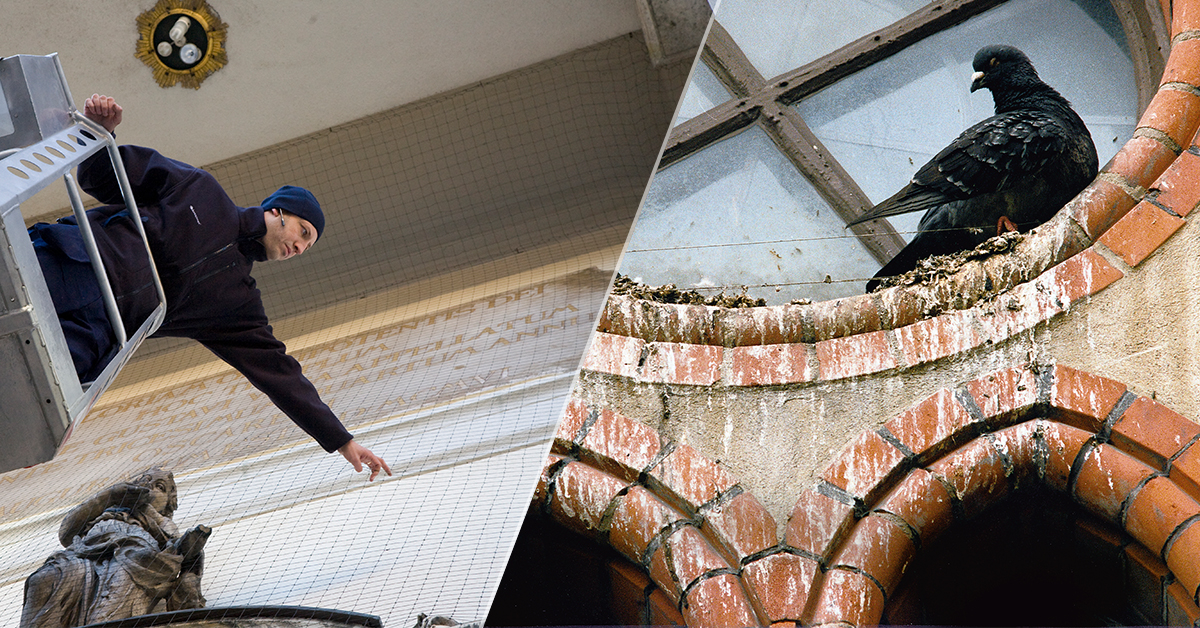


Birds are a welcome sight in nature—watching them in parks, trees, or open skies can be enjoyable and calming. But when certain species begin nesting or roosting on homes and commercial buildings, they quickly shift from harmless wildlife to persistent pests.
In New Jersey, Pennsylvania, Delaware, and the Eastern Shore of Maryland, common pest birds like pigeons, house sparrows, and woodpeckers can create serious issues for property owners. From health concerns to structural damage, these birds can become more than just a nuisance.
Common Pest Birds in the Region
Several bird species are known for causing problems in residential and commercial settings:
- Pigeons – Highly adaptable urban birds that often roost on rooftops and ledges
- House sparrows – Small birds that gather in large numbers around food sources and structures
- Woodpeckers – Birds that damage wood surfaces while searching for insects or creating nesting sites
While each species behaves differently, they all tend to return to reliable food and shelter sources—often buildings themselves.
Health Risks Associated With Pest Birds
One of the biggest concerns with pest bird infestations is the potential impact on human health.
Bird droppings can carry or contribute to the spread of:
- Salmonella
- E. coli and other bacteria
- Fungal spores that may affect respiratory health
- Parasites such as mites, lice, and fleas (especially in pigeon populations)
As droppings accumulate, they can dry out and become airborne, increasing exposure risk in enclosed or high-traffic areas.
Property Damage Caused by Birds
Beyond health concerns, pest birds can cause significant structural and aesthetic damage over time.
Common issues include:
- Corrosion of metal surfaces from acidic droppings
- Damage to roofing materials and ledges
- Blocked gutters and drainage systems
- Staining on siding, sidewalks, and entryways
- Damage to signage and outdoor equipment
Pigeon droppings in particular can accumulate heavily, especially on rooftops and commercial ledges, leading to costly cleanup and long-term wear.
Nesting in Vents: A Hidden but Serious Risk
One of the more dangerous situations occurs when birds nest inside vents or exhaust systems.
When this happens, nesting materials such as twigs, feathers, and leaves can:
- Block airflow and reduce ventilation efficiency
- Cause overheating of exhaust or fan systems
- Increase fire risk due to flammable nesting debris
- Allow droppings and debris to enter indoor air systems
This can create both safety hazards and indoor air quality concerns if not addressed quickly.
Why Pest Birds Are Hard to Control
Pest birds are highly adaptable and often return to the same nesting or roosting sites repeatedly. Once they establish a location, they can be difficult to deter without professional intervention.
Additional challenges include:
- Large flock sizes, especially with pigeons and sparrows
- Frequent nesting in hard-to-reach areas like roofs, vents, and signage
- Legal protections for certain species, such as woodpeckers under the Migratory Bird Treaty Act
Because of these factors, DIY removal methods are often ineffective or unsafe.
Prevention Tips for Property Owners
While full control often requires professional help, there are steps property owners can take to reduce attraction:
- Keep trash areas tightly sealed and cleaned regularly
- Remove food sources and spilled waste promptly
- Clean gutters and drainage systems frequently
- Seal gaps, vents, and openings in building exteriors
- Reduce standing water and debris buildup around the property
These steps help make a property less appealing for nesting and roosting.
Why Professional Bird Control Matters
When birds begin nesting on a property, especially inside vents or high structures, removal should be handled carefully. Improper handling can spread contamination, worsen infestations, or violate wildlife protections.
Professional bird management focuses on:
- Safe and humane removal methods
- Identification of nesting and roosting sites
- Installation of deterrent and exclusion systems
- Long-term prevention strategies to stop re-entry
For homes and businesses in the region, Viking Pest Control provides expert pest bird management solutions designed to address both immediate infestations and long-term prevention.
Protect Your Property From Pest Birds
What starts as a few birds roosting on a roof or ledge can quickly turn into ongoing damage, sanitation issues, and costly repairs. The key is early intervention and consistent prevention.
With proper exclusion techniques and professional support from Viking Pest Control, property owners can reduce risks and keep their buildings clean, safe, and protected from persistent bird activity.