


Where Do Bed Bugs Come From? Top Places You Can Pick Them Up


For decades, bed bugs were largely out of sight and out of mind. Today, however, these persistent pests have made a major comeback in homes, hotels, apartments, and public spaces across the country.
Many homeowners assume bed bugs are caused by poor sanitation, but that’s simply not true. Bed bugs can infest even the cleanest homes and businesses. In fact, one in five Americans has experienced a bed bug infestation at some point.
Understanding where bed bugs come from, how infestations begin, and the places you’re most likely to encounter them can help you protect your home and family.
What Are Bed Bugs?
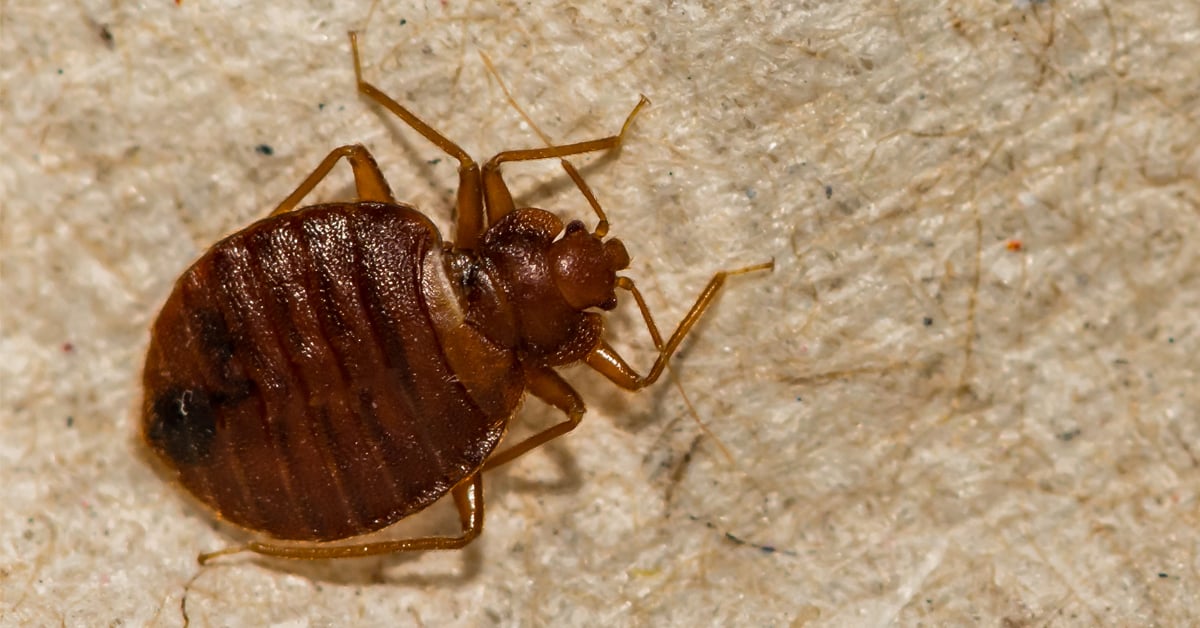
Bed bugs are small, reddish-brown insects that feed on human blood. Adult bed bugs are about the size and shape of an apple seed, with flat bodies that allow them to hide in tiny cracks and crevices.
After feeding, they become swollen and darker red in color. Bed bugs do not fly, but they crawl quickly and hide in:
- Mattresses
- Box springs
- Bed frames
- Headboards
- Furniture
- Baseboards
- Luggage
- Clothing
- Upholstered items
Bed bugs are primarily active at night and tend to feed while people are sleeping.
Where Do Bed Bugs Come From?
Bed bugs are hitchhikers. Rather than living outdoors and entering homes naturally, they spread by attaching themselves to soft surfaces and personal belongings.
These pests commonly travel on:
- Luggage
- Clothing
- Backpacks
- Furniture
- Bedding
- Upholstered items
Once brought inside, bed bugs can spread rapidly throughout homes, apartments, hotels, dormitories, and office buildings.
Top 5 Places You Can Pick Up Bed Bugs
Hotels and Motels
Hotels are one of the most common places for bed bug encounters because of the constant flow of guests and luggage.
Even high-end hotels can experience infestations. Before unpacking, inspect:
- Mattress seams
- Headboards
- Box springs
- Upholstered furniture
Avoid placing luggage directly on the floor or bed.
Public Transportation
Bed bugs are often found anywhere large numbers of people gather, especially in upholstered seating areas.
This includes:
- Buses
- Trains
- Subways
- Airplanes
- Ride-share vehicles
Because bed bugs are tiny and difficult to spot, they can easily hitch a ride home on bags or clothing.
Laundromats
Shared laundry facilities can unintentionally spread bed bugs between households.
People may bring infested linens or clothing into laundromats in an attempt to eliminate bed bugs using high dryer temperatures. To reduce risk:
- Avoid shared folding tables when possible
- Use high heat settings in dryers
- Transport laundry in sealed bags
Libraries
Libraries may seem unexpected, but bed bugs can hide in books, upholstered seating, and shared public areas.
Before bringing library books into your bedroom or living spaces, inspect:
- Book spines
- Covers
- Pages
Nursing Homes and Hospitals
Healthcare facilities can also experience bed bug issues because of the constant movement of patients, visitors, bedding, and furniture.
Although bed bugs do not spread disease, they can still create difficult infestations in shared living environments.
How Does a Bed Bug Infestation Start?
Bed bug infestations usually begin when one or two insects are accidentally transported into a home or building.
Because bed bugs reproduce quickly, a small problem can rapidly become a large infestation if left untreated.
Unlike some pests, bed bugs are not attracted to dirt or clutter. However, clutter can provide additional hiding places and make infestations harder to detect.
Signs of a Bed Bug Infestation
Early detection is important. Common signs of bed bugs include:
- Small reddish-brown stains on sheets or mattresses
- Tiny white eggs or eggshells
- Shed skins
- Live bed bugs
- Dark fecal spots on bedding or furniture
- Itchy bites or skin irritation
Bed bug bites often appear as:
- Small red welts
- Clusters or zigzag bite patterns
- Itchy raised bumps
- Burning or irritating skin reactions
How to Prevent Bed Bugs
Inspect Hotel Rooms
Before settling into a hotel room:
- Check mattress seams and box springs
- Inspect headboards and furniture
- Keep luggage elevated and away from beds
Be Careful With Used Furniture
Always inspect second-hand furniture carefully before bringing it into your home, especially:
- Mattresses
- Box springs
- Couches
- Recliners
- Upholstered chairs
Never bring discarded furniture home from the curb.
Wash Clothing After Travel
After returning from trips:
- Wash clothing on high heat
- Vacuum luggage
- Dispose of vacuum contents outdoors immediately
Reduce Hiding Places
Seal cracks and crevices around:
- Baseboards
- Window frames
- Doors
- Furniture joints
Use Protective Covers
Bed bug-proof encasements for mattresses, box springs, and pillows can help reduce hiding places and make inspections easier.
How to Get Rid of Bed Bugs
DIY bed bug treatments are often ineffective because bed bugs hide extremely well and reproduce quickly. Even if some bed bugs are eliminated, surviving insects and eggs can restart the infestation.
Professional bed bug extermination is typically the most effective solution.
Viking Pest Control provides professional bed bug treatment services throughout New Jersey, Pennsylvania, Delaware, and the Eastern Shore of Maryland. Our trained specialists inspect homes and businesses thoroughly and recommend targeted heat or material treatments designed to fully eliminate bed bug infestations.
If you suspect bed bugs in your home or business, contact Viking Pest Control for a fast, free estimate today.