

Squirrels in Your Home? Here's Why You Shouldn't Ignore the Problem
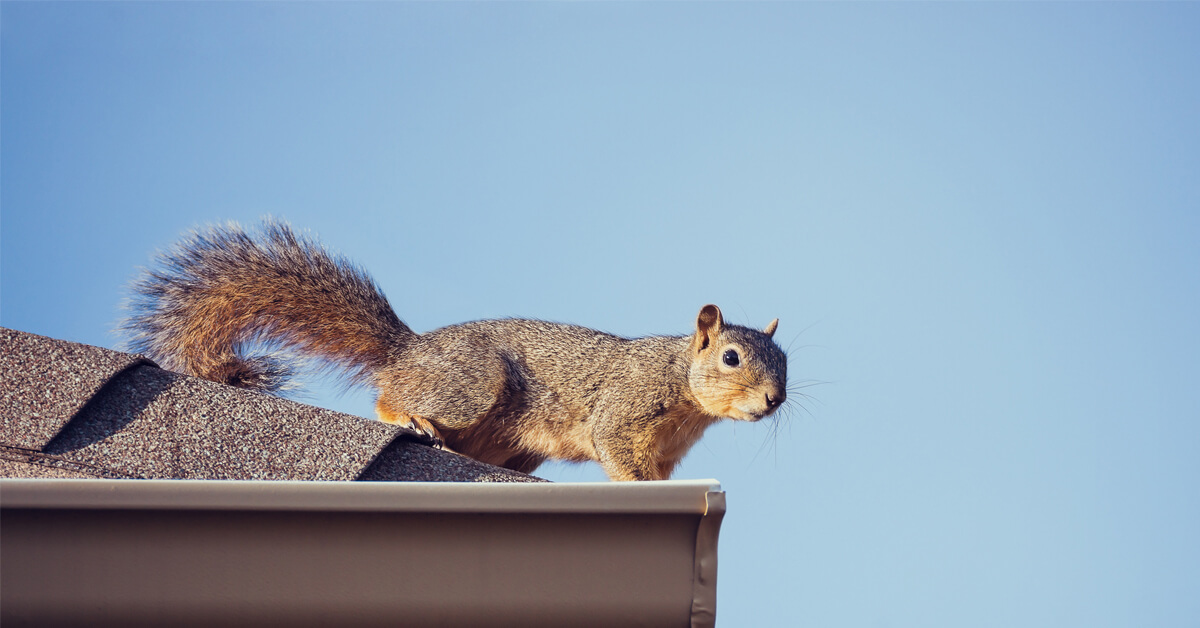


Squirrels may seem harmless when they’re running through your yard or climbing trees, but once they get inside your home, they can quickly become a serious problem. These agile rodents are capable of causing costly property damage, contaminating insulation, creating fire hazards, and exposing your family to health risks.
As temperatures cool, squirrels begin searching for warm, protected places to nest — and attics, crawl spaces, garages, and wall voids are some of their favorite hiding spots. Understanding why squirrels invade homes and how to stop them can help you avoid expensive repairs and long-term damage.
Why Squirrels Enter Homes
Squirrels are constantly searching for three things: food, water, and shelter. Residential properties often provide all three.
Bird feeders, gardens, fruit trees, trash bins, and outdoor pet food can all attract squirrels to your yard. Once they become comfortable around your property, they may start exploring your roofline, attic vents, soffits, siding, or chimney for a way inside.
Because squirrels are skilled climbers and persistent chewers, even a small opening can become an entry point. They can gnaw through wood, shingles, fascia boards, and weakened siding to access your attic or walls.
Common Squirrel Species in the Mid-Atlantic
Homeowners in New Jersey, Pennsylvania, Delaware, and Maryland commonly encounter:
- Eastern Gray Squirrels
- Southern Flying Squirrels
Eastern gray squirrels are the larger, more visible species often seen raiding bird feeders and digging through gardens. Southern flying squirrels are smaller, nocturnal, and more likely to go unnoticed until damage or noises become apparent.
Neither species hibernates, meaning squirrel activity can continue year-round.
Problems Squirrels Can Cause Inside Your Home
Fire Hazards from Chewing Wires
One of the biggest dangers squirrels create is chewing electrical wiring. Like other rodents, squirrels must constantly gnaw to keep their teeth from overgrowing. Unfortunately, attic wiring, cables, and insulation are common targets.
Exposed electrical wires can spark and create a serious fire risk, especially because squirrels often nest in hidden areas where fires may spread before they are detected.
Damage to Insulation and Structures
Squirrels tear apart insulation to build nests and may damage drywall, wood framing, soffits, vents, and rooflines. Over time, these issues can reduce your home’s energy efficiency and lead to expensive structural repairs.
They may also chew on:
- Furniture
- Cardboard storage boxes
- HVAC components
- Window frames
- Door frames
- Gutters
- Roof shingles
Health Risks from Squirrel Droppings
Squirrel urine and feces can contaminate attics and crawl spaces. Their waste may carry bacteria and pathogens linked to illnesses such as:
- Salmonella
- Leptospirosis
In addition, squirrels can introduce fleas, ticks, mites, and other parasites into your home.
Dead Animal Odors
If a squirrel dies inside a wall, attic, or crawl space, the odor can become overwhelming and difficult to remove. Decomposition odors may linger for weeks and often require professional cleaning and deodorization services.
Vehicle Damage
Squirrels sometimes invade garages and vehicle engine compartments, especially during colder months. They may chew wiring, nest under hoods, and cause costly damage that can affect vehicle performance and safety.
Signs You May Have Squirrels in Your Home
Some common warning signs include:
- Scratching or scampering noises in walls or ceilings
- Activity in the attic during early morning or evening hours
- Chewed wood, wires, or insulation
- Droppings in the attic or garage
- Strong odors coming from walls or crawl spaces
- Visible entry holes near the roofline or vents
If you notice these signs, it’s important to act quickly before the infestation worsens.
How to Keep Squirrels Out of Your Home
Preventing squirrel problems starts with making your property less attractive and eliminating access points.
Trim Tree Branches
Keep branches at least six feet away from your roof whenever possible. Overhanging limbs provide squirrels with direct access to your home.
Seal Entry Points
Inspect your home for gaps, cracks, loose siding, damaged soffits, and uncapped vents. Squirrels only need a small opening to begin chewing their way inside.
Protect Rooflines and Vents
Check attic vents, chimney caps, fascia boards, and roof edges for signs of damage or openings.
Reduce Outdoor Food Sources
To discourage squirrels from lingering near your home:
- Move bird feeders away from the house
- Secure trash cans with tight-fitting lids
- Clean fallen fruit from yards
- Protect gardens with fencing or netting
Maintain Your Property
Cluttered yards, overgrown landscaping, and clogged gutters can create ideal shelter areas for squirrels and other wildlife.
Why DIY Squirrel Removal Can Be Dangerous
If a squirrel enters your living space, trying to remove it yourself can be risky. Cornered squirrels may bite or scratch when frightened. Attempting to trap or handle wildlife without proper equipment can also increase the risk of injury and disease exposure.
Professional wildlife control specialists can safely remove squirrels and identify how they entered your home in the first place.
Professional Squirrel Control from Viking Pest Control
If squirrels have invaded your attic, walls, garage, or crawl space, professional help can prevent the problem from escalating further.
Viking Pest Control provides squirrel and wildlife control services throughout New Jersey, Pennsylvania, Delaware, and the Eastern Shore of Maryland. Their trained specialists can help remove squirrels safely, identify entry points, and recommend exclusion solutions designed to keep wildlife out long-term.
Whether you’re hearing scratching in the attic or noticing damage around your roofline, addressing squirrel activity early can help protect your home from costly repairs and ongoing infestations.
You can also learn more about their wildlife services here: