


Murder Hornets in the Mid-Atlantic: What You Need to Know
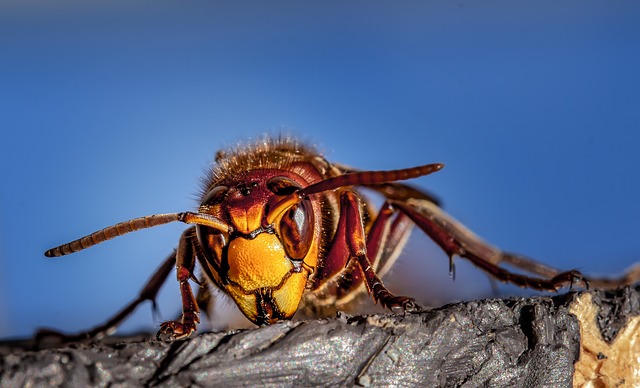


The phrase “murder hornet” grabbed national attention and sparked concern among homeowners across the United States. While these massive hornets made headlines because of their painful stings and threat to bee populations, many people still wonder: Are murder hornets actually in our area, and how dangerous are they?
Understanding the difference between murder hornets and the hornets commonly found in the Mid-Atlantic can help homeowners protect their property and avoid dangerous encounters with stinging insects.
What Is a Murder Hornet?
The insect commonly referred to as the “murder hornet” is scientifically known as Vespa mandarinia, or the Asian giant hornet. It is the largest hornet species in the world and is native to parts of Asia.
Murder hornets became widely known because of their aggressive attacks on honeybee colonies. These hornets can invade beehives, eliminate worker bees, and feed on bee larvae, posing a serious threat to pollinator populations.
What Does a Murder Hornet Look Like?
Asian giant hornets are much larger than most hornets homeowners are used to seeing.
Common identifying features include:
- Length up to 2 inches
- Large yellow or orange head
- Thick orange-and-black striped abdomen
- Large mandibles
- Stinger approximately ¼ inch long
Their large size alone often makes them appear intimidating compared to typical wasps or hornets.
Are Murder Hornets Found in the United States?
Murder hornets have only been officially detected in limited areas of Washington State. As of the original reports, there were no confirmed widespread populations throughout the Mid-Atlantic region, including New Jersey, Pennsylvania, Delaware, or Maryland.
However, homeowners in these states still commonly encounter other hornet species that can become aggressive and dangerous when nests are disturbed.
Are Murder Hornets Dangerous?
Murder hornets can sting humans if they feel threatened. Their stings are painful because of their large stinger size, and unlike bees, they can sting multiple times.
Potential effects of stings include:
- Severe pain and swelling
- Skin irritation
- Allergic reactions
- Multiple stings during swarm defense
While healthy individuals can usually recover from a sting, anyone experiencing severe allergic reactions should seek immediate medical attention.
Why Are Murder Hornets a Concern for the Environment?
The biggest environmental concern surrounding murder hornets is their impact on honeybee populations.
These hornets attack beehives by:
- Killing worker bees
- Destroying colonies
- Feeding on larvae and pupae
Because bees play a critical role in pollination and agriculture, experts closely monitor invasive hornet populations to prevent ecological damage.
Common Hornets Found in the Mid-Atlantic
While murder hornets are not established throughout the Mid-Atlantic, homeowners commonly encounter several native or established stinging insects, including:
- European hornets
- Bald-faced hornets
- Paper wasps
- Yellow jackets
These insects can still pose serious nuisance and safety concerns around homes and businesses.
Bald-Faced Hornets
Bald-faced hornets are technically a type of wasp closely related to yellow jackets. They are easily recognized by:
- Black bodies with white facial markings
- Large gray papery nests
- Aggressive nest defense behavior
Their nests are often found:
- In trees and shrubs
- Under roof eaves
- Near sheds and decks
- Around structural overhangs
Bald-faced hornets can become highly aggressive if disturbed and may sting multiple times.
European Hornets
European hornets are one of the largest hornet species commonly found in the Mid-Atlantic.
Characteristics include:
- Brown and yellow striped bodies
- Pale or reddish face
- Large size compared to typical wasps
- Attraction to lights at night
European hornets often nest:
- Inside wall voids
- In hollow trees
- Around porches and foundations
- In attic spaces
Unlike many stinging insects, European hornets may remain active after dark.
Signs of a Hornet Problem
You may have a hornet infestation if you notice:
- Frequent hornet activity around your property
- Large aerial nests
- Hornets entering wall voids or rooflines
- Increased insect activity near outdoor lights
- Buzzing sounds near siding or attic areas
Because hornets can become defensive quickly, it’s important not to approach nests closely.
How to Prevent Hornets Around Your Property
Reducing hornet activity starts with making your property less attractive to nesting insects.
Maintain Your Landscaping
- Trim trees and shrubs regularly
- Avoid overgrown vegetation near the home
- Remove yard debris and fallen branches
Seal Potential Entry Points
- Repair cracks and gaps around siding
- Seal openings near rooflines and utility penetrations
- Screen vents and attic openings
Eliminate Food Sources
- Keep trash bins tightly sealed
- Clean outdoor dining areas
- Avoid leaving sugary drinks or food outside
Reduce Harborage Areas
- Remove unused wood piles
- Clean gutters regularly
- Reduce standing water and moisture buildup
Never Attempt DIY Hornet Nest Removal
Hornet nests can be extremely dangerous to handle without proper equipment and training. Even seemingly inactive nests may still contain live insects capable of attacking when disturbed.
DIY sprays and removal attempts can often:
- Agitate entire colonies
- Trigger swarming behavior
- Increase sting risk
- Fail to eliminate the nest fully
Professional pest control technicians have the tools, protective equipment, and treatment methods necessary to remove hornets safely.
Professional Hornet Control from Viking Pest
If you notice hornet activity around your home or business, Viking Pest can help. Our experienced technicians identify the species involved, locate nests, and apply targeted treatments designed to eliminate hornets safely and effectively.
We provide hornet and stinging insect control services throughout:
- New Jersey
- Pennsylvania
- Delaware
- Maryland’s Eastern Shore
Our treatment solutions are designed to protect your family, guests, and outdoor spaces while minimizing disruption to your property and landscaping.
Schedule Your Free Hornet Inspection Today
Whether you're concerned about aggressive hornets, aerial nests, or stinging insect activity around your property, Viking Pest has the experience and tools to help.
Contact Viking Pest today to schedule a free estimate and learn more about our professional hornet and stinging insect control services.