

Mosquito and Tick-Borne Diseases
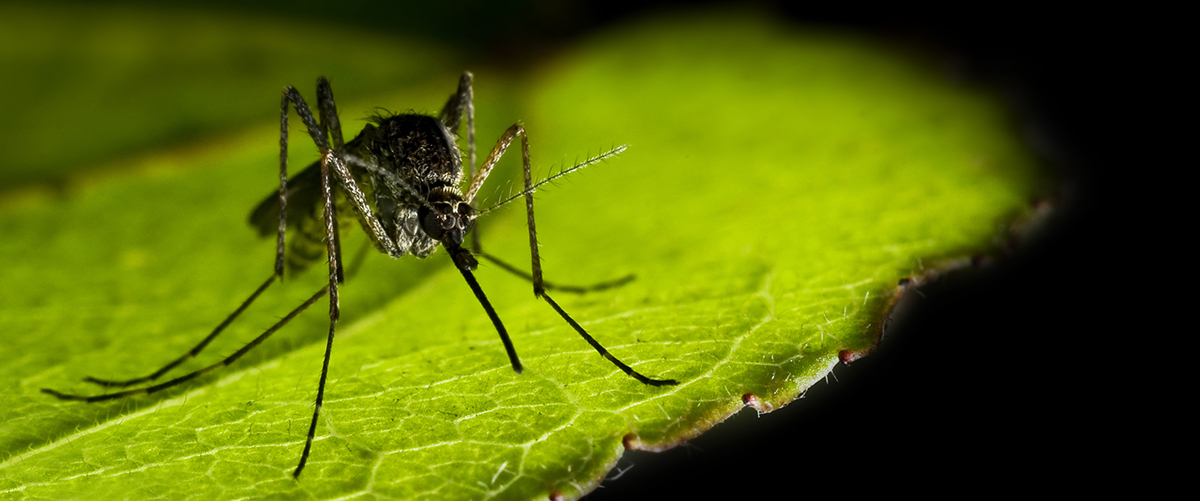


Mosquitoes and ticks are more than just annoying outdoor pests. These biting insects are known carriers of serious diseases that can affect both humans and pets throughout the Mid-Atlantic region and beyond.
From itchy mosquito bites to potentially dangerous tick-borne illnesses, understanding the risks and taking preventative action can help keep your family safer outdoors.
Why Mosquitoes and Ticks Are Dangerous
Mosquitoes and ticks are considered disease vectors, meaning they can carry and spread bacteria, viruses, and parasites through their bites.
While many bites only cause mild irritation, others may expose people to serious illnesses that can lead to long-term health complications or, in rare cases, death.
As mosquito and tick populations continue to increase in many areas, the risk of exposure to these diseases also grows.
Common Mosquito-Borne Diseases
Mosquitoes are responsible for spreading several diseases worldwide. Some are more common in tropical regions, while others have been reported throughout the United States.
West Nile Virus
West Nile Virus is one of the most common mosquito-borne illnesses in the United States. It spreads between birds and mosquitoes before being transmitted to humans.
Many people experience mild or no symptoms, but severe cases can affect the nervous system and cause inflammation of the brain.
Common symptoms include:
- Fever
- Headaches
- Fatigue
- Rash
- Body aches
Eastern Equine Encephalitis (EEE)
EEE is a rare but serious viral disease spread by mosquitoes. Though uncommon, cases have been reported in the Northeast, including New Jersey.
Symptoms may include:
- Fever
- Severe headache
- Confusion
- Seizures
- Neurological complications
Young children and older adults are often at greater risk for severe illness.
Zika Virus
Zika Virus usually causes mild symptoms, but it can be especially dangerous during pregnancy due to the risk of birth defects.
Symptoms may include:
- Fever
- Rash
- Joint pain
- Red eyes
Dengue Fever
More common in tropical and subtropical regions, dengue fever causes flu-like symptoms and, in severe cases, can become life-threatening.
Symptoms include:
- High fever
- Severe headaches
- Vomiting
- Muscle and joint pain
Malaria
Although less common in the United States, malaria remains one of the world’s most serious mosquito-borne diseases.
Symptoms include:
- Fever and chills
- Sweating
- Fatigue
- Headaches
- Nausea
Without treatment, malaria can become life-threatening.
Common Tick-Borne Diseases
Ticks are another major concern throughout the Northeast and Mid-Atlantic region. These pests attach to humans and animals to feed on blood and may spread dangerous illnesses while feeding.
Lyme Disease
Lyme disease is one of the most common tick-borne illnesses in the United States, especially in Pennsylvania and New Jersey.
Common symptoms include:
- Bullseye rash
- Fever
- Fatigue
- Joint pain
- Muscle aches
If left untreated, Lyme disease can lead to long-term neurological and joint complications.
Rocky Mountain Spotted Fever
This bacterial disease can become serious if not treated early.
Symptoms may include:
- Fever
- Headaches
- Muscle pain
- Rash
Ehrlichiosis
Ehrlichiosis is another bacterial illness spread through tick bites.
Symptoms often include:
- Fever
- Chills
- Headaches
- Muscle aches
Babesioisis
Babesiosis is caused by parasites that infect red blood cells and is becoming more common in parts of the Northeast.
Symptoms may include:
- Fatigue
- Fever
- Sweats
- Muscle aches
How to Reduce Mosquito and Tick Activity Around Your Home
Reducing exposure starts with limiting pest activity around your property.
Mosquito Prevention Tips
To help reduce mosquitoes around your home:
- Eliminate standing water
- Clean gutters regularly
- Repair damaged screens
- Wear insect repellent outdoors
- Avoid outdoor activity during dawn and dusk
- Keep grass and landscaping maintained
Mosquitoes breed in standing water, even in small amounts found in buckets, birdbaths, flowerpots, and clogged gutters.
Tick Prevention Tips
To reduce tick activity:
- Keep grass trimmed short
- Remove leaf litter and brush
- Trim shrubs and overgrown vegetation
- Wear long sleeves and pants outdoors
- Check clothing, pets, and skin after spending time outside
Ticks commonly live in wooded areas, tall grass, and dense vegetation.
The Importance of Professional Mosquito and Tick Control
While preventative steps can help, professional mosquito and tick treatments can significantly reduce pest populations around your home.
Regular treatments can:
- Target mosquito resting and breeding areas
- Reduce active tick populations
- Help lower the risk of bites
- Improve outdoor comfort throughout the season
Professional pest control can also identify problem areas around your property that may be contributing to increased mosquito or tick activity.
Protect Your Yard and Family This Season with Viking Pest Control
Mosquitoes and ticks are more than seasonal nuisances — they can pose real health risks to your family and pets.
By staying proactive with prevention, reducing breeding areas, and addressing pest activity early, you can enjoy your outdoor spaces with greater peace of mind throughout the warmer months.