


Lyme Disease Awareness Month: How to Protect Your Family From Ticks
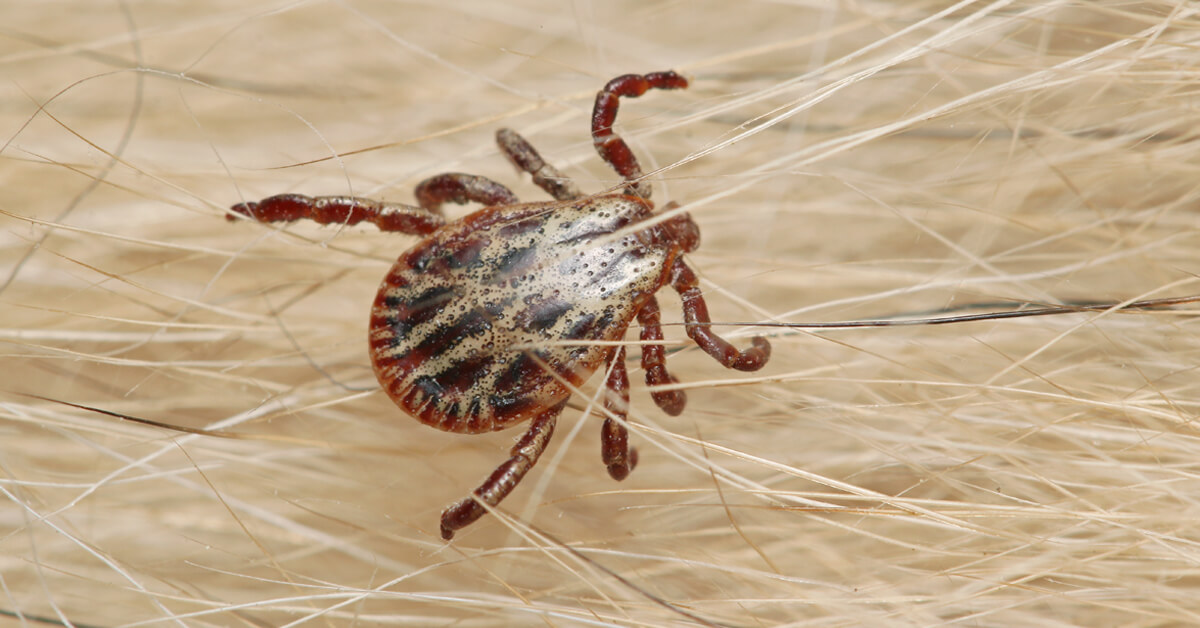


As temperatures rise throughout New Jersey, Pennsylvania, Delaware, and the Eastern Shore of Maryland, tick activity increases right alongside outdoor activities. May is recognized as Lyme Disease Awareness Month, making it the perfect time to focus on protecting your family, pets, and property from ticks.
Blacklegged ticks, also known as deer ticks, are responsible for spreading Lyme disease — one of the most common tick-borne illnesses in the United States. Because ticks are small, difficult to detect, and commonly found in wooded or grassy areas, many people don’t realize they’ve been bitten until symptoms begin to appear.
Understanding how to avoid ticks and perform proper tick checks can significantly reduce your risk of Lyme disease.
What Is Lyme Disease?
Lyme disease is a bacterial illness transmitted through the bite of an infected blacklegged tick. If left untreated, Lyme disease can lead to serious health complications affecting the joints, nervous system, heart, and overall well-being.
Common symptoms of Lyme disease may include:
- Fever
- Fatigue
- Chills
- Headaches
- Muscle and joint aches
- Rash or “bullseye” skin irritation
- Neurological symptoms
Because symptoms can vary from person to person, early detection and prevention are extremely important.
Where Are Ticks Found?
Ticks thrive in areas with high humidity, tall grass, and dense vegetation. Common tick habitats include:
- Wooded trails
- Leaf litter
- Overgrown landscaping
- Brush piles
- Tall grass
- Shrubbery
- Property edges bordering wooded areas
Ticks do not jump or fly. Instead, they climb onto grass or vegetation and wait for humans or animals to brush past them.
How to Protect Yourself From Tick Bites
Reducing tick exposure starts with simple outdoor precautions.
Wear Light-Colored Clothing
Light-colored clothing makes it easier to spot dark-colored ticks before they reach your skin.
Cover Exposed Skin
Wear long sleeves, long pants, socks, and closed-toe shoes when walking through grassy or wooded areas.
Keep Hair Tied Back
Long hair can easily brush against vegetation where ticks are waiting.
Use Tick Repellents
Apply EPA-approved repellents containing DEET or other recommended ingredients before spending time outdoors.
Stay in the Center of Trails
Avoid brushing against tall grass, bushes, and overgrown vegetation whenever possible.
Protect Your Pets
Dogs and outdoor cats can easily carry ticks into your home. Use veterinarian-approved tick prevention products consistently throughout tick season.
How to Perform a Tick Check
Performing a thorough tick check after outdoor activities is one of the best ways to prevent Lyme disease transmission.
Inspect Yourself Immediately
As soon as you return indoors, carefully examine your entire body for ticks.
Check Hidden Areas Carefully
Ticks commonly attach in hard-to-see areas, including:
- Scalp and hairline
- Behind the ears
- Underarms
- Behind knees
- Groin area
- Waistband area
Using a full-length mirror or handheld mirror can help you inspect difficult areas.
Inspect Clothing
Remove outdoor clothing immediately and check it carefully for ticks.
Use the Dryer
Placing clothing in a dryer on high heat for at least an hour can help kill hidden ticks.
Shower After Outdoor Activity
Showering shortly after coming indoors may help remove unattached ticks before they bite.
Check Pets Thoroughly
Inspect dogs and cats carefully after they’ve spent time outdoors, especially around the ears, neck, paws, and underbelly.
Why Tick Prevention Matters
Ticks can be active for much of the year, especially during warmer months. Because Lyme disease cases remain common throughout the Northeast and Mid-Atlantic regions, prevention is essential for protecting both people and pets.
Regular tick checks, proper outdoor precautions, and professional tick control services can greatly reduce your risk of exposure.
Professional Tick Control for Your Property
Even with good prevention habits, ticks can still thrive in residential yards and surrounding wooded areas. Professional tick treatments help reduce tick populations in high-risk areas around your property.
At Viking Pest Control, our tick control services help homeowners throughout New Jersey, Pennsylvania, Delaware, and Maryland reduce tick activity and protect their families from tick-borne illnesses like Lyme disease.
If you’re concerned about ticks on your property, professional pest control can help create a safer outdoor environment all season long.