


How to Start the New Year Off Pest-Free


A new year is the perfect time to reset your home, your habits, and your approach to pest prevention. But when it comes to pests, hoping for a fresh start isn’t enough—without a clear prevention plan, insects and rodents will continue to find their way inside.
Just like a ship needs a destination to reach port, a home needs ongoing pest control to stay truly pest-free. Bugs, rodents, and wildlife are constantly searching for food, water, and shelter. The key to keeping them out is understanding what attracts them—and removing those conditions before infestations begin.
Why Pest Problems Happen in the First Place
Pests don’t enter homes randomly. They are driven by environmental conditions both inside and outside your property. Once you understand what attracts them, you can begin to reduce risk year-round.
Flies and Outdoor Attraction
Flies are commonly drawn to:
- Open trash cans
- Spilled drinks or sugary liquids
- Outdoor food left uncovered
- Bright exterior lighting
Switching to yellow-toned outdoor bulbs and keeping blinds closed at night can also reduce attraction from multiple insect species.
Spiders Follow Their Food Source
Spiders typically enter homes in search of food—mainly flies and other small insects. Reducing flying insect activity naturally reduces spider populations as well.
Moisture-Driven Pests
Moisture attracts pests such as:
- Silverfish
- Earwigs
- Centipedes
- Millipedes
- Termites
Leaky faucets, poor drainage, and damp wood create ideal breeding conditions for these pests.
Rodents and Cluttered Environments
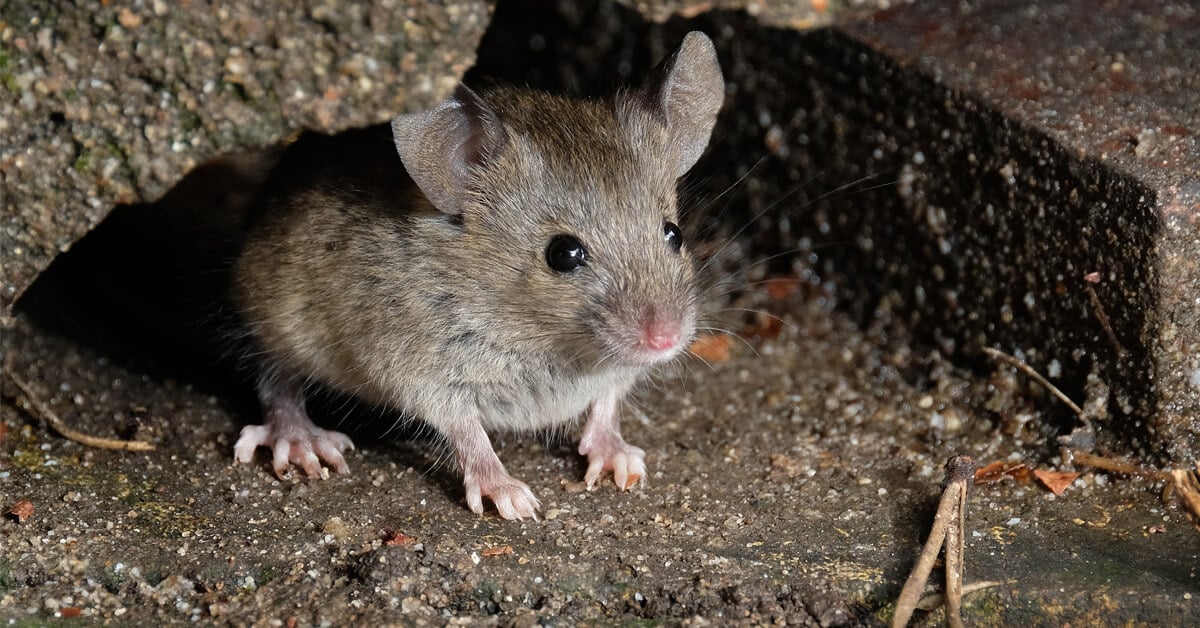
Mice and rats are highly adaptable but prefer:
- Tall grass and weeds
- Leaf piles and yard debris
- Stored clutter and untreated storage areas
- Easy access to food sources
Keeping indoor and outdoor spaces clean and organized reduces hiding and nesting opportunities.
Seasonal Invaders
Some pests gather on exterior walls during colder months. These insects often require professional barrier treatments to prevent entry into the home.
Mosquitoes, Ticks, and Other Blood-Feeding Pests
Blood-feeding pests are attracted to:
- Standing water
- Overgrown vegetation
- Wildlife activity in your yard
Mosquitoes thrive near stagnant water, while ticks and fleas are often introduced by pets and wildlife.
Wood-Destroying Pests
Termites, carpenter ants, and carpenter bees are drawn to:
- Moist or rotting wood
- Unsealed entry points
- Structural gaps in siding or foundations
Prevention requires both moisture control and professional treatment in most cases.
Why You Should Never Ignore Pest Problems
Pest issues rarely stay small. Seeing one insect or rodent is often a sign of a larger hidden infestation.
For example:
- One carpenter ant often signals a larger colony nearby
- One cockroach can indicate dozens or more hiding nearby
- One mouse usually suggests active nesting and reproduction
Most pests reproduce quickly, meaning small problems escalate fast if ignored.
What Happens If Pest Problems Are Left Untreated
Ignoring pest activity can lead to more than just inconvenience. Pest populations often attract additional pest species, creating layered infestations that are harder to control over time.
Untreated pest issues can result in:
- Property damage
- Food contamination
- Health risks from bacteria and allergens
- Increased repair and remediation costs
Because most pests remain hidden during the day, infestations are often worse than they appear on the surface.
Why Year-Round Pest Control Matters
Seasonal or one-time treatments are rarely enough to prevent long-term pest activity. Professional pest control services provide ongoing monitoring, prevention, and targeted treatments throughout the year.
A year-round pest management plan helps:
- Reduce pest populations before they grow
- Identify early warning signs of infestations
- Protect both interior and exterior spaces
- Maintain long-term home protection
New Year Pest Prevention Tips for Homeowners
A clean, well-maintained home is the first line of defense against pests. To reduce risk:
Keep Kitchens Clean and Dry
- Wipe counters regularly
- Store food in sealed containers
- Avoid leaving food out overnight
- Clean up spills immediately
Organize Storage Areas
Basements, attics, garages, and crawl spaces are common pest hiding areas. Regularly inspect and clean these spaces to discourage nesting.
Seal Entry Points
Inspect your home’s exterior for:
- Cracks in foundations
- Gaps around doors and windows
- Openings near utilities and vents
Even small openings can allow pests inside.
Manage Outdoor Conditions
- Store firewood away from the home
- Keep vegetation trimmed back
- Remove standing water and yard debris
Professional Pest Control with Viking Pest Control for a Fresh Start
Starting the new year pest-free requires more than cleaning—it requires prevention, monitoring, and proactive treatment. Professional pest control services use integrated pest management strategies to protect homes year-round.
If pest activity is already present, early intervention is the best way to prevent long-term damage and recurring infestations. Contact Viking today!