


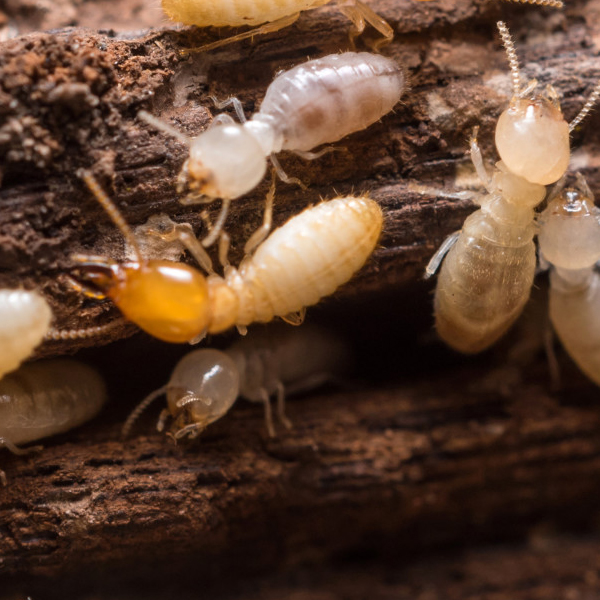


How To Stop a Termite Infestation Quickly
Nothing can make a homeowner lose sleep quite like a termite infestation. Termites are a silent threat, devouring your home from the inside out. The signs of a serious infestation can be hard to identify, and the cost of damage can be enormous both to your wallet and to your peace of mind.
Understanding how infestations happen, what signs to look for, and how to prevent them can make all the difference.
Just How Serious Is a Termite Infestation?
Termite infestations can be catastrophic to a structure if left untreated. Over time, termites feed on the structural wood of a home, weakening supports and, in extreme cases, making buildings unsafe to occupy. In the U.S. alone, termites are responsible for more than $5 billion in property damage each year—and unfortunately, most homeowners' insurance policies don’t cover termite-related repairs.
Common Signs of Termite Infestation
Termites rarely make their presence obvious before damage becomes severe, but there are several key indicators to watch for:
1. Swarms in the Spring
One of the most noticeable signs is a termite swarm, typically occurring in spring. These winged termites—often mistaken for flying ants—are reproductive members of a mature colony. After swarming, they shed their wings, so you may find small piles of discarded wings near windows, doors, or light sources.
2. Mud Tubes (Shelter Tubes)
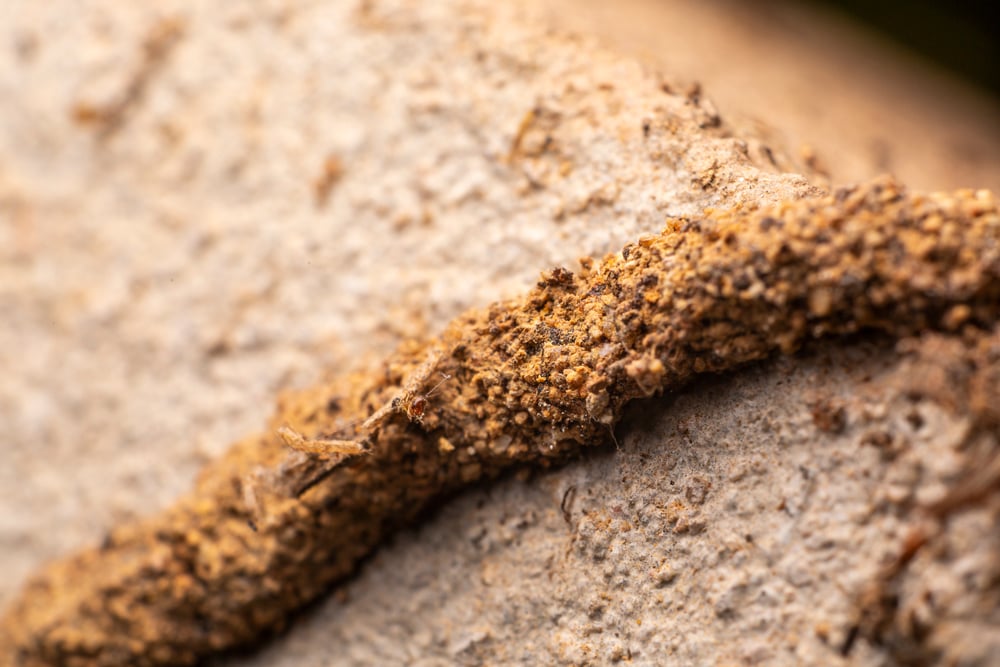
Termites build mud tubes along walls, foundations, and other surfaces to stay moist while traveling. These thin, dirt-like lines are a strong indicator of activity. If you break one open and see live termites inside, the infestation is active.
3. Visible Structural Damage
Damage caused by termites can appear as bubbling or blistering paint, especially on wooden surfaces like baseboards. Over time, wood may become hollow, weakened, or visibly deteriorated.
How Do Termite Infestations Start?
Termite infestations begin underground. Worker termites forage through soil in search of food sources—primarily wood. Once they find a suitable structure, they leave behind a pheromone trail that guides other termites to the site. As more workers follow the trail, feeding intensifies, and the colony establishes a steady presence within the structure.
How to Prevent Termite Infestations
Preventing termites is far easier—and more affordable—than repairing the damage they cause. Here are several effective strategies:
Reduce Moisture Around Your Home
Termites thrive in moist environments. Installing vapor barriers in crawl spaces can help limit humidity from the soil, while dehumidifiers are useful in basements or other damp areas.
Avoid Wood-to-Soil Contact
Direct contact between wood and soil creates an easy entry point for termites. Whenever possible, keep wooden structures elevated and separated from the ground. If contact is unavoidable, use pressure-treated lumber, which is more resistant to termite feeding.
Install a Termite Baiting System
Baiting systems are a proactive way to protect your home. These systems work by eliminating termite colonies before they can invade your structure, providing long-term peace of mind.
Protect Your Home with Viking Pest Control
Termites don’t take a break—and neither should your home termite protection. If you suspect termite activity or want to safeguard your property, reach out to Viking Pest Control. Our experienced professionals can perform a termite inspection, identify risks, and implement effective solutions to keep termites where they belong: out of your home.