


How to Rodent-Proof Your Home This Fall
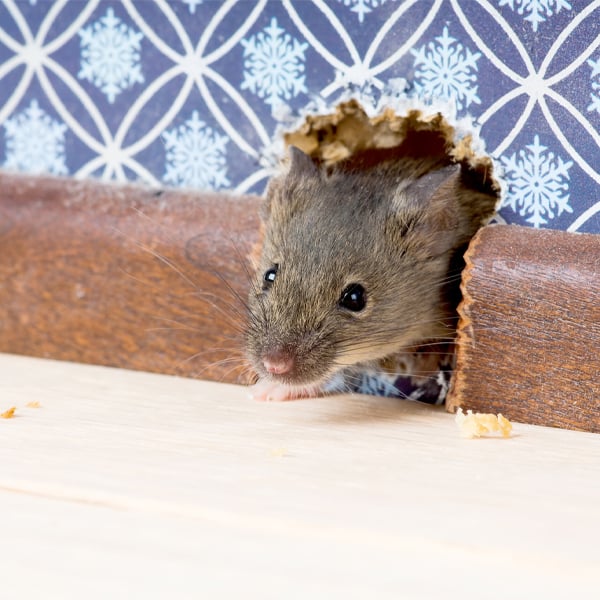


As temperatures begin to cool across New Jersey, Pennsylvania, Delaware, and Maryland’s Eastern Shore, rodents start searching for warm places to shelter for the winter. Mice, rats, and squirrels may spend most of the year outdoors, but once fall arrives, homes and businesses become attractive places to nest, feed, and hide from the cold.
Unfortunately, rodents can cause extensive damage once they get indoors. From chewing electrical wires and insulation to contaminating surfaces with droppings and urine, these pests are far more than a seasonal nuisance. The good news is that a few proactive prevention steps can help reduce your risk of a rodent infestation this fall.
Common Rodents Found Across Homes
Several types of rodents are especially active throughout NJ, PA, DE, and MD during the colder months.
Mice
House mice and deer mice are among the most common invaders. These small rodents can squeeze through openings as small as a dime and often enter homes through cracks, utility gaps, crawl spaces, and garage doors.
Rats
Norway rats and roof rats are larger than mice but just as destructive. Roof rats are excellent climbers and often enter through roofs, attics, and overhanging tree branches, while Norway rats tend to stay closer to the ground and foundations.
Squirrels
Eastern gray squirrels and flying squirrels may enter attics, soffits, or wall voids while searching for warmth and nesting areas during the fall and winter.
Why Rodents Are Dangerous
Rodents may seem harmless outdoors, but inside a structure they can quickly become a serious problem. Rodents constantly chew to keep their teeth filed down, which means they can damage:
- Electrical wiring
- Drywall and insulation
- Pipes and ductwork
- Stored belongings
- Wood framing
Rodents can also spread bacteria and disease, contaminate food, introduce fleas and ticks indoors, and create potential fire hazards by chewing through wiring.
If you hear scratching, scurrying, squeaking, or thumping noises in your attic, walls, or ceilings, there’s a good chance rodents may already be active inside your home.
Where Rodents Commonly Enter Homes
Many infestations begin through surprisingly small openings around the exterior of the structure. Common rodent entry points include:
- Gaps around HVAC and utility lines
- Dryer vents
- Garage door openings
- Damaged soffits and roof shingles
- Crawlspace vents
- Foundation cracks
- Gaps beneath doors and windows
Because mice and rats can fit through extremely small openings, even minor cracks should be sealed immediately.
Rodent-Proofing Tips for Fall
Preventative maintenance is one of the most effective ways to keep rodents out during the colder months.
Seal Exterior Openings
Inspect your home carefully and seal gaps using durable materials such as:
- Steel wool
- Copper mesh
- Wire mesh screens
- All-weather caulk
- Door sweeps and weather stripping
Avoid relying solely on expanding foam, as rodents can often chew through it.
Eliminate Outdoor Harborage Areas
Rodents are more likely to stay near your property if they have shelter nearby. Reduce hiding spots by:
- Moving firewood piles away from the home
- Removing leaf and brush piles
- Trimming back trees and shrubs touching the structure
- Storing patio furniture and outdoor items neatly
Remove Food and Water Sources
Help make your home less attractive by:
- Keeping trash bins tightly sealed
- Storing food in airtight containers
- Cleaning crumbs and spills promptly
- Repairing leaks and moisture issues
Strange Noises Could Be a Warning Sign
During the fall and winter, homeowners often notice mysterious scratching or scuttling sounds at night. Rodents are nocturnal, so activity is often most noticeable after dark.
In some cases, pest activity may even contribute to electrical issues if wiring becomes damaged. Buzzing, humming, or unusual odors near walls should always be investigated promptly.
Smarter Rodent Protection with Anticimex SMART Technology
At Viking Pest Control, we use advanced rodent monitoring solutions to help detect activity early and prevent infestations before they become severe.
Viking’s Anticimex SMART technology provides around-the-clock monitoring that helps identify rodent pressure areas quickly and efficiently. This eco-friendly system allows our team to respond proactively while minimizing environmental impact.
Combined with professional exclusion work and targeted treatment plans, SMART technology helps homeowners and businesses stay ahead of rodent problems year-round.
Protect Your Home This Fall with Viking Pest Control
Rodent prevention is most effective before pests move indoors for the season. If you’re hearing noises in the walls, spotting droppings, or want help rodent-proofing your property, the team at Viking Pest Control is here to help.
We provide rodent control and exclusion services throughout New Jersey, Pennsylvania, Delaware, and Maryland’s Eastern Shore.
Call 800-618-2847 or visit Viking Pest Control Online for a fast, free estimate today.