


How to Prevent Stink Bugs From Invading Your Home This Fall


As temperatures begin to cool, stink bugs start searching for a warm place to spend the winter — and unfortunately, your home may be exactly what they’re looking for. These foul-smelling pests become especially active during the fall months, sneaking into homes and businesses through tiny cracks and openings to overwinter indoors.
While stink bugs are not dangerous to humans, large infestations can quickly become frustrating. Once inside, they gather in walls, attics, basements, crawl spaces, and other secluded areas, often emerging in large numbers throughout the winter and spring.
The good news? A few proactive pest prevention steps can dramatically reduce your chances of dealing with a stink bug infestation this season.
What Are Stink Bugs?
Stink bugs are shield-shaped insects best known for the unpleasant odor they release when disturbed or crushed. The most common species found throughout New Jersey, Pennsylvania, Delaware, and Maryland is the brown marmorated stink bug, an invasive pest that has spread rapidly across the United States since the 1990s.
Adult stink bugs are typically:
- Mottled gray or brown
- About 3/4 inch long
- Nearly as wide as they are long
- Equipped with long antennae featuring light-colored bands
Young stink bugs, called nymphs, appear red and yellow before maturing into adults.
These pests reproduce quickly, with females laying dozens of eggs at a time and producing multiple generations each year. Because they have few natural predators in the United States, their populations can grow rapidly.
Why Stink Bugs Invade Homes in the Fall
Stink bugs are considered overwintering pests, meaning they seek shelter indoors as temperatures begin to drop. Once inside, they hide in protected spaces until warmer weather returns in spring.
Homes become attractive to stink bugs because they provide:
- Warmth
- Shelter from cold weather
- Easy entry points
- Light sources that attract insects at night
If they find gaps around your home’s exterior, they can easily move indoors and create a large nuisance infestation.
Signs You May Have a Stink Bug Problem
You may notice:
- Stink bugs gathering around windows or doors
- Bugs clustering on sunny exterior walls
- An unpleasant odor when bugs are disturbed
- Stink bugs appearing in attics, basements, garages, or crawl spaces
- Increased bug activity during warm winter days
Unlike termites or rodents, stink bugs do not damage structures or spread diseases, but their sheer numbers can become overwhelming.
How to Prevent Stink Bugs This Fall
The best way to deal with stink bugs is to stop them before they get inside. Here are the most effective prevention strategies homeowners can use.
Inspect Your Home’s Exterior
Carefully inspect your home or business for possible entry points. Pay close attention to:
- Areas around utility pipes
- Window and door frames
- Sliding doors
- Chimneys
- Rooflines
- Siding gaps
- Foundation cracks
- Areas beneath wood trim
Even tiny openings can allow stink bugs to enter.
Seal Cracks and Openings
Because stink bugs can squeeze through very small spaces, sealing entry points is one of the most important prevention steps.
Use:
- Silicone or silicone-latex caulk
- Weatherstripping
- Door sweeps
- Fine mesh screens over vents and chimneys
Repair damaged:
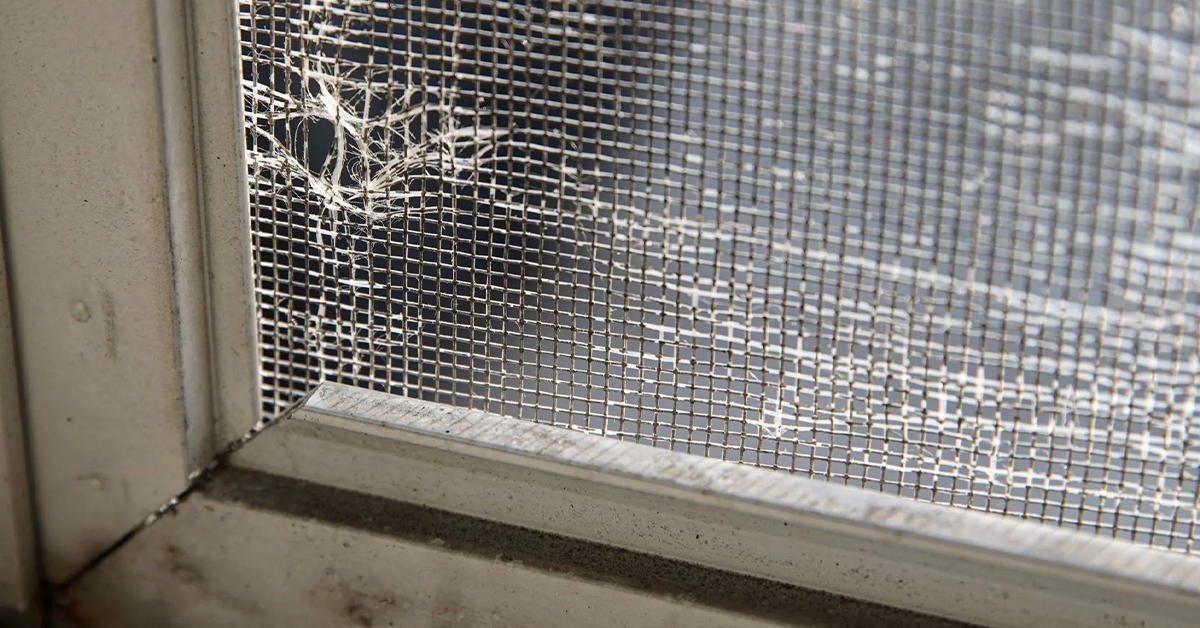
- Window screens
- Door seals
- Exterior trim
- Cracked siding
Keep Landscaping Maintained
Overgrown vegetation gives stink bugs easy access to your home.
To reduce activity:
- Trim shrubs and tree branches away from exterior walls
- Remove leaf piles and yard debris
- Store firewood at least 20 feet from the structure and elevated off the ground
- Keep mulch and organic debris away from the foundation
Reducing harborage areas makes your property less attractive to overwintering pests.
Reduce Outdoor Lighting
Stink bugs are strongly attracted to light at night.
To minimize attraction:
- Turn off unnecessary exterior lights
- Close blinds and curtains at night
- Use fewer bright outdoor lights near doors and windows
This simple step can significantly reduce nighttime bug activity around your home.
Eliminate Moisture Problems
Like many pests, stink bugs are drawn to moisture-rich environments.
Inspect your home for:
- Leaking pipes
- Standing water
- Clogged drains
- Damp crawl spaces
- Poor ventilation
Using dehumidifiers and improving airflow in basements, attics, garages, and crawl spaces can help make these areas less inviting.
Keep Food Properly Stored
Although stink bugs primarily seek shelter indoors, accessible food can still attract pests.
To help prevent activity:
- Store food in airtight containers
- Clean crumbs and spills promptly
- Take out garbage regularly
- Keep trash receptacles sealed
- Wipe down counters and floors frequently
You should also inspect boxes, bags, and outdoor items before bringing them indoors, as stink bugs can hitchhike inside unnoticed.
Never Squish a Stink Bug
If you find a stink bug indoors, avoid crushing it. When disturbed or squashed, stink bugs release the foul odor that gives them their name.
Instead:
- Vacuum them using a vacuum with disposable bags
- Immediately remove and discard the vacuum bag outdoors
- Avoid handling them directly
Even dead stink bugs can leave behind lingering odors.
Other Overwintering Pests to Watch For
Stink bugs are not the only pests that invade homes during the fall. Other common overwintering pests include:
- Boxelder bugs
- Ladybugs
- Assassin bugs
- Cluster flies
Many of the same exclusion and prevention techniques used for stink bugs can help reduce other seasonal pest invasions as well.
When to Call a Professional for Stink Bug Control
Once stink bugs establish themselves inside walls, attics, or other hidden spaces, DIY methods often provide only temporary relief. Professional pest control treatments can help eliminate existing infestations while preventing future invasions.
Professional stink bug treatments may include:
- Exterior barrier treatments
- Entry point sealing recommendations
- Targeted treatments around problem areas
- Preventative fall applications
The most effective time for treatment is typically late summer or early fall before stink bugs fully move indoors.
Professional Stink Bug Prevention and Control with Viking Pest
If stink bugs are becoming a recurring problem around your home or business, professional help can make all the difference. Viking Pest Control has been helping homeowners throughout New Jersey, Pennsylvania, Delaware, and Maryland protect their properties from stink bugs and other seasonal pests since 1980.
Our experienced technicians create customized treatment plans designed to eliminate infestations and help prevent future pest activity year-round.
Don’t wait until stink bugs take over your home this fall. Contact Viking Pest Control today for a free estimate and learn more about our effective stink bug prevention and pest control solutions.