How to Keep Bats Away From Your Home
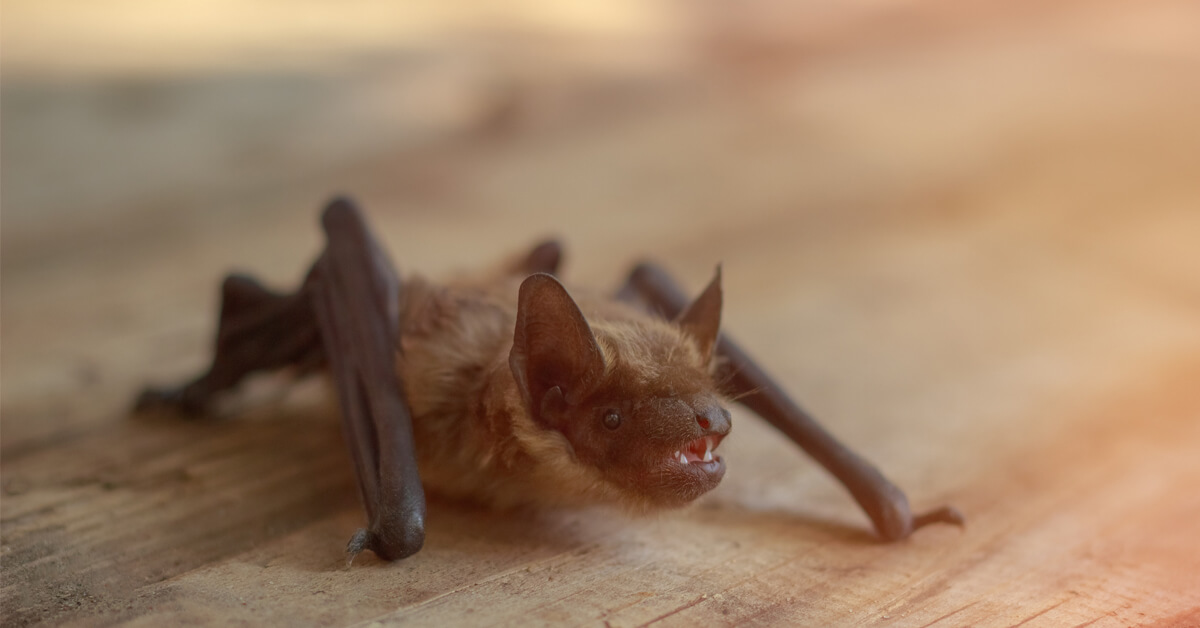


Bats play an important role in the environment by helping control insect populations, including mosquitoes and other nuisance pests. However, when bats begin roosting inside homes, they can quickly become a serious problem for homeowners.
Bat infestations can lead to property damage, unpleasant odors, noise disturbances, and potential health risks associated with droppings and direct contact. If you’ve noticed bats flying around your roofline or attic, it’s important to act quickly before a small problem turns into a larger colony.
Why Are Bats Attracted to Homes?
Bats are constantly searching for safe, quiet places to roost during the day. Homes can provide ideal shelter, especially when small openings allow easy access into attics, wall voids, and roof structures.
Several factors may attract bats to your property, including:
- Dense vegetation
- High insect activity
- Outdoor lighting that attracts insects
- Nearby ponds, creeks, or standing water
- Warm attic spaces
- Gaps along the roofline or siding
Properties with abundant insects naturally attract more bats because insects are their primary food source.
Where Do Bats Enter Homes?
Bats can squeeze through openings as small as ⅜ of an inch. Common entry points include:
- Roofline gaps
- Gable vents
- Unscreened attic vents
- Openings around siding and rake boards
- Chimneys
- Damaged soffits and fascia
Because bats can enter through extremely small gaps, infestations often go unnoticed until homeowners hear scratching sounds, discover droppings, or see bats flying near the home at dusk.
Are Bats Dangerous?
Although bats are beneficial outdoors, they can create health and safety concerns when they roost inside homes.
Potential risks associated with bats include:
- Exposure to rabies through bites or scratches
- Histoplasmosis from accumulated droppings
- Contamination of insulation and attic spaces
- Strong odors from guano buildup
For these reasons, direct contact with bats should always be avoided.
How to Prevent Bats From Entering Your Home
Preventing bats starts with reducing attractants and sealing potential entry points around the home.
Seal Gaps and Openings
Inspect your home carefully for openings around:
- Rooflines
- Vents
- Windows and doors
- Utility penetrations
- Siding gaps
- Chimneys
Seal openings with weatherproof materials and install screens over vents whenever possible.
Keep Doors and Windows Closed
Open windows and doors, especially at night, can accidentally allow bats inside.
Reduce Outdoor Insect Activity
Because bats feed heavily on insects, reducing insect populations around your home may help make the property less attractive to them.
Switching outdoor bulbs to yellow “bug lights” can help reduce the number of insects drawn to your exterior lighting.
Eliminate Standing Water
Standing water sources such as clogged gutters, birdbaths, or poorly drained landscaping may attract insects and increase bat activity nearby.
Install a Bat House
Bat houses can provide bats with an alternative roosting location away from your home while still allowing them to benefit the surrounding ecosystem.
Why Professional Bat Removal Is Important
Bat removal is not a typical DIY pest control project. Many bat species are legally protected in states such as New Jersey, Pennsylvania, and Maryland, and removal methods are often regulated by state wildlife agencies.
Improper bat removal attempts can:
- Harm protected species
- Separate mothers from pups
- Cause bats to relocate deeper into the home
- Create legal issues if exclusion laws are violated
Professional bat control specialists understand how to safely and humanely exclude bats while remaining compliant with local regulations.
Humane Bat Exclusion Services
Professional bat exclusion focuses on allowing bats to safely exit the structure while preventing them from re-entering. This process includes:
- Identifying all bat entry points
- Installing exclusion devices
- Sealing accessible gaps
- Preventing future infestations
Because bat exclusion timing may be restricted during maternity season, professional guidance is essential to ensure compliance with local wildlife laws.
Professional Bat Control From Viking Pest Control
At Viking Pest Control, our trained specialists provide humane bat exclusion and prevention services throughout New Jersey, Pennsylvania, Delaware, and Maryland. We help homeowners identify bat entry points, safely remove active infestations, and protect homes against future bat activity.
If you suspect bats are roosting in your attic or around your home, addressing the problem early can help prevent larger infestations and costly damage.