


Note: Information surrounding reported hantavirus cases and monitoring efforts may continue to change. For the most up-to-date public health guidance, follow the WHO and CDC.
Recent headlines surrounding hantavirus have understandably raised concerns for many people, especially after the global impact of COVID-19. With major international events like the World Cup bringing increased travel and tourism to the Northeast, some residents throughout New Jersey, Pennsylvania, Delaware, and Maryland are wondering whether this virus poses a larger public health concern.
While hantavirus is a serious illness, health officials continue to state that the overall pandemic risk remains low. Understanding how hantavirus spreads, how it differs from COVID-19, and how to reduce rodent activity around your property can help you stay informed without unnecessary fear.
What Is Hantavirus?
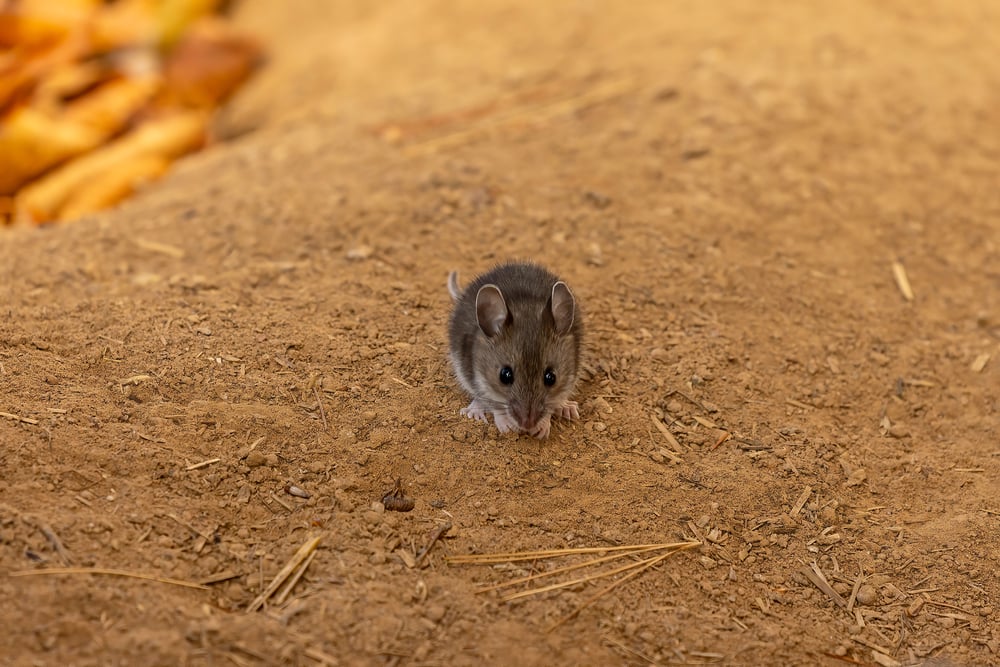
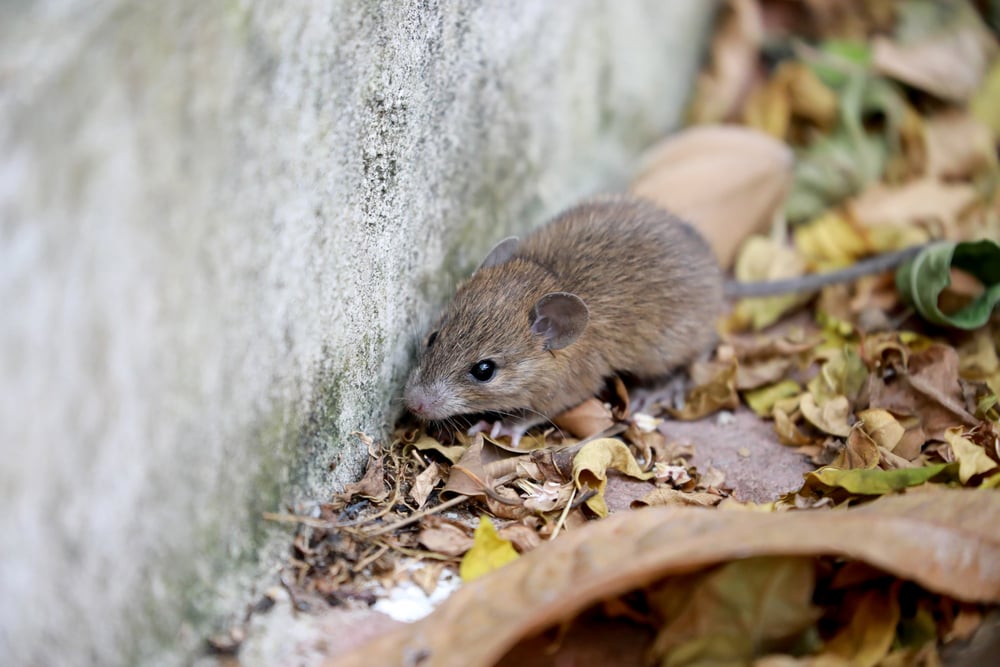
Hantavirus Pulmonary Syndrome (HPS), commonly referred to as hantavirus, is a rare but potentially serious respiratory illness linked to infected rodents. In the United States, the virus is most associated with deer mice, though it has also been identified in white-footed mice and Norway rats in certain cases.
People can become exposed through contact with infected rodent urine, droppings, saliva, or contaminated materials. Symptoms may develop anywhere from one to eight weeks after exposure.
Although hantavirus infections are uncommon, the illness can become severe without medical attention, which is why prevention and awareness are important.
How Does Hantavirus Spread?
Unlike COVID-19, hantavirus is not known to spread easily between people. Most infections occur after someone encounters contaminated rodent waste or disturbs affected areas without proper cleaning precautions.
Potential exposure risks may include:
- Cleaning rodent droppings without proper disinfection
- Sweeping or vacuuming contaminated areas
- Handling wild rodents or nests
- Entering enclosed spaces with active rodent infestations
- Rare cases involving rodent bites or scratches
Because disturbed droppings can release particles into the air, safe cleaning practices are essential whenever rodent activity is suspected.
Common Symptoms of Hantavirus
Early hantavirus symptoms often resemble the flu and may include:
- Fatigue
- Fever
- Muscle aches
- Headaches
- Dizziness
- Nausea or vomiting
- Abdominal discomfort
As the illness progresses, more serious respiratory symptoms may develop, including:
- Shortness of breath
- Chest tightness
- Persistent dry cough
Anyone experiencing severe symptoms or who may have been exposed should contact a medical professional immediately.
Hantavirus Prevention Tips for Homes and Businesses
The best way to reduce hantavirus risk is to limit rodent activity and safely clean contaminated areas. Many of the same good sanitation habits encouraged during COVID-19 remain effective for rodent-related health concerns.
Keep Living & Work Spaces Clean
- Regularly clean floors, counters, and storage areas to reduce food debris that attracts rodents.
- Remove clutter from garages, basements, sheds, and storage rooms where rodents may hide.
- Dispose of trash frequently using sealed garbage containers.
- Avoid leaving pet food or bird seed accessible overnight.
- Use disinfectant when cleaning rodent droppings rather than dry sweeping or vacuuming.
Seal Openings Where Rodents Can Enter
- Mice can fit through openings as small as ¼ inch.
- Seal cracks and gaps around doors, foundations, utility lines, and windows.
- Install door sweeps and repair damaged screens.
- Inspect attics, crawl spaces, and rooflines for possible entry points.
- Trim vegetation away from buildings to limit rodent access routes.
Store Food Securely
- Keep pantry items and pet food in airtight containers.
- Store food off the floor in garages and storage areas.
- Clean spills promptly and avoid leaving food uncovered.
- Rotate stored food regularly and discard damaged packaging.
- Keep outdoor feed and compost bins properly covered.
Use Safe Cleaning Methods Around Rodent Droppings
If you discover rodent droppings or nesting materials, avoid disturbing the area until it has been properly disinfected.
Safe cleanup recommendations include:
- Dampen affected areas before cleaning
- Never dry sweep or vacuum droppings
- Wear rubber or disposable gloves
- Apply an EPA-registered disinfectant and allow it to sit
- Use paper towels for cleanup and dispose of them immediately
- Re-disinfect the area after cleaning
- Wash hands thoroughly with soap and warm water
How Is Hantavirus Different From COVID-19?
It’s understandable that many people compare hantavirus to COVID-19, but there are several important differences public health experts continue to emphasize.
Key Differences Include:
- Hantavirus does not spread as efficiently from person to person as COVID-19 did.
- Most cases are linked to rodent exposure rather than widespread community transmission.
- There is currently no evidence of large-scale asymptomatic spread similar to COVID-19.
- Hantaviruses have been studied for decades and are not considered a newly emerging virus family.
- Health officials continue to monitor cases closely while maintaining that widespread public risk remains low.
Should You Be Concerned About Another Lockdown?
At this time, public health organizations have not indicated concerns about lockdowns related to hantavirus. Experts continue to stress that the virus behaves very differently from COVID-19 and is far less transmissible in normal public settings.
As with any developing health story, it is important to rely on credible information sources and avoid misinformation circulating online or on social media.
What About the World Cup in New Jersey?
With the World Cup bringing increased travel and large crowds to the Newark area, some residents have raised questions about potential health risks associated with international travel.
While large events naturally increase public awareness of illness prevention, current guidance does not suggest that attending public events increases people's risk of hantavirus. Since hantavirus is primarily linked to rodent exposure rather than casual human interaction, everyday prevention efforts should remain focused on sanitation, property maintenance, and rodent control rather than fear of travelers or visitors.
For homeowners and businesses, the most practical step is staying proactive about rodent prevention before, during, and after periods of increased activity and travel.
Stay Safe, Stay Informed, and Address Rodent Problems Early
When it comes to protecting your home or business from rodent-related health risks, awareness and prevention go a long way. If you notice signs of rodent activity such as droppings, scratching sounds, gnaw marks, or nesting materials, it’s important to avoid direct contact and address the issue quickly.
At Viking Pest Control, our team provides SMART rodent control solutions to monitor any rodent movement and identify the conditions that allow infestations to develop. We also offer Pro-Clean disinfection services to help sanitize affected areas following rodent activity.
By staying informed, maintaining clean environments, and taking proactive pest prevention steps, homeowners and businesses can help create safer, healthier spaces year-round.
Ready to protect your property? Call us at 1-800-618-2847 or schedule online today!