DIY vs. Professional Pest Control: Which Is Right for Your Home?


Discovering pests in your home can be stressful, and many homeowners immediately turn to store-bought sprays, traps, or other DIY pest control solutions. While do-it-yourself methods can sometimes help with small, isolated pest issues, larger or recurring infestations often require professional treatment to fully solve the problem.
Understanding the differences between DIY pest control and professional pest management can help you make the best decision for your home, family, and long-term peace of mind.
When DIY Pest Control May Work
One of the biggest problems with DIY pest control is that it usually treats symptoms rather than the source of the infestation. Killing a few visible pests rarely eliminates the colony, nest, or breeding population causing the issue.
Many pests are also extremely difficult to identify correctly without professional experience. Using the wrong product or treatment method can waste time, increase costs, and sometimes make the infestation worse.
Common DIY pest control challenges include:
- Misidentifying the pest species
- Using ineffective products
- Missing hidden nesting areas
- Incomplete treatment coverage
- Reinfestation shortly after treatment
- Safety concerns involving pets or children
Some over-the-counter products, including foggers and bug bombs, may even spread infestations further into the home instead of eliminating them.
The Limitations of DIY Pest Control
One of the biggest problems with DIY pest control is that it usually treats symptoms rather than the source of the infestation. Killing a few visible pests rarely eliminates the colony, nest, or breeding population causing the issue.
Many pests are also extremely difficult to identify correctly without professional experience. Using the wrong product or treatment method can waste time, increase costs, and sometimes make the infestation worse.
Common DIY pest control challenges include:
- Misidentifying the pest species
- Using ineffective products
- Missing hidden nesting areas
- Incomplete treatment coverage
- Reinfestation shortly after treatment
- Safety concerns involving pets or children
Some over-the-counter products, including foggers and bug bombs, may even spread infestations further into the home instead of eliminating them.
Pest Problems That Usually Require Professional Treatment
Certain pests are notoriously difficult — or dangerous — to handle without professional help. These infestations often involve hidden colonies, rapid reproduction, or significant health and structural risks.
Termites
Termites work silently behind walls and inside wooden structures, often causing extensive damage before homeowners even notice them. Professional inspections and targeted treatments are essential for effective termite control.
Carpenter Ants
Carpenter ants tunnel through wood to build nests and can weaken structural materials over time. Because colonies are often hidden deep inside walls or moisture-damaged wood, professional treatment is typically needed to eliminate the source.
Bed Bugs
Bed bugs are among the hardest pests to eliminate without professional equipment and expertise. These pests hide in tiny cracks, reproduce quickly, and can spread throughout an entire home if not treated properly.
Rodents
Mice and rats contaminate food, spread bacteria, damage insulation, and even create fire hazards by chewing electrical wiring. Professional rodent control focuses not only on removal, but also exclusion and long-term prevention.
Learn more about Viking’s home pest control services and SMART digital pest monitoring solutions for proactive protection.
Why Professional Pest Control is More Effective
Professional pest control companies bring specialized knowledge, advanced tools, and targeted treatment methods that most homeowners simply do not have access to.
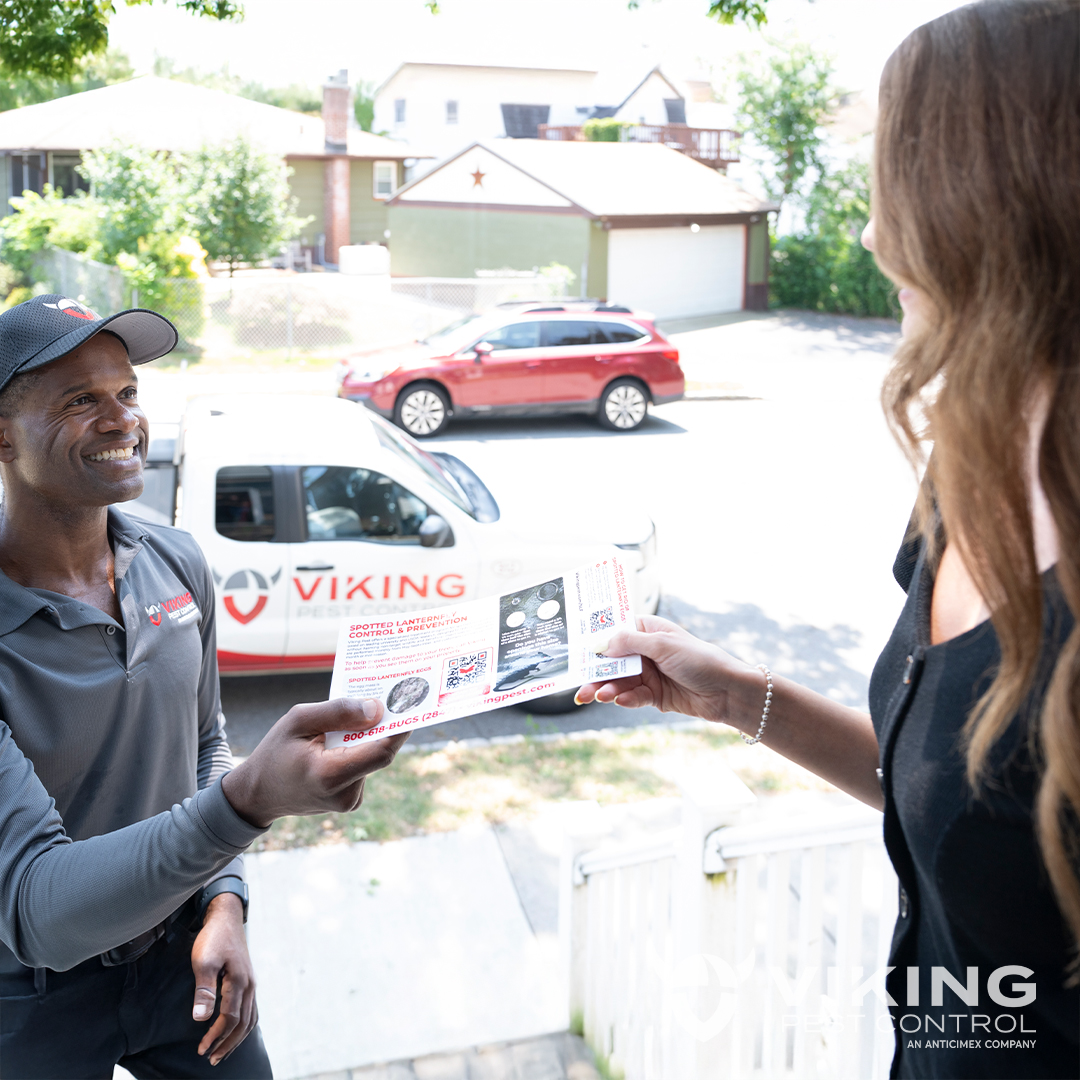
At Viking Pest Control, trained technicians identify the root cause of infestations and create customized treatment plans based on the pest, property layout, and severity of activity.
Professional pest management may include:
- Thorough inspections of hidden pest activity
- Targeted treatment applications
- Professional-grade products
- Entry point identification and sealing recommendations
- Ongoing monitoring and prevention
- Long-term protection plans
Advanced technology like SMART pest control systems can even monitor rodent activity 24/7, helping detect problems before they become major infestations.
DIY vs. Professional Pest Control: Which Saves More Money?
DIY pest control may seem less expensive upfront, but repeated purchases of sprays, traps, foggers, and ineffective treatments can quickly add up. More importantly, untreated infestations can lead to expensive repairs and property damage over time.
Professional pest control often saves homeowners money in the long run by:
- Eliminating infestations faster
- Preventing repeat outbreaks
- Protecting against structural damage
- Reducing health and sanitation risks
- Providing ongoing prevention strategies
For many homeowners, the biggest benefit is peace of mind knowing the infestation has been handled correctly.
Protect Your Home with Professional Pest Control
While DIY pest control has its place for minor pest problems, larger infestations usually require professional expertise to fully resolve. From termites and rodents to bed bugs and carpenter ants, effective pest management depends on identifying the source of the problem and applying the right long-term solution.
If pests are becoming a recurring issue in your home, Viking Pest Control can help.
Explore our residential pest control services, learn more about our pest prevention resources, or contact Viking Pest Control today for a free inspection and customized treatment plan.