


Bed Bugs, Hotel Rooms, and You: Separating Myth and Reality


A relaxing vacation or business trip can quickly turn stressful if bed bugs hitch a ride home in your luggage. Unfortunately, hotels, airports, rideshares, and other travel hotspots create the perfect opportunities for these pests to spread from place to place. The good news? A little awareness and a few smart precautions can dramatically reduce your chances of dealing with a bed bug infestation after traveling.
Before your next trip, learn how bed bugs spread, where they hide in hotel rooms, and what you can do to protect your belongings — and your home.
How Do Bed Bugs End Up in Hotels?
One of the biggest misconceptions about bed bugs is that they only infest dirty or low-quality hotels. In reality, bed bugs can show up anywhere people travel. Luxury resorts, budget motels, vacation rentals, dormitories, and even airplanes can all experience bed bug activity.
Bed bugs are expert hitchhikers. They don’t jump or fly — instead, they crawl into luggage, backpacks, purses, clothing, and personal belongings. Travelers unknowingly transport them from one location to another, allowing infestations to spread quickly.
Because hotels experience constant guest turnover, even the cleanest properties can occasionally encounter bed bugs.
Myth vs. Reality: Common Bed Bug Misconceptions
Myth: Expensive hotels don’t get bed bugs.
Reality: Bed bugs are not attracted to dirt or poor housekeeping. Any hotel can experience an infestation if a guest unknowingly brings them in.
Myth: Bed bugs only hide in mattresses.
Reality: While mattresses are common hiding spots, bed bugs are more often found in headboards, bed frames, nightstands, upholstered furniture, curtains, electrical outlets, and carpeting near the bed.
Myth: Bed bugs are too small to see.
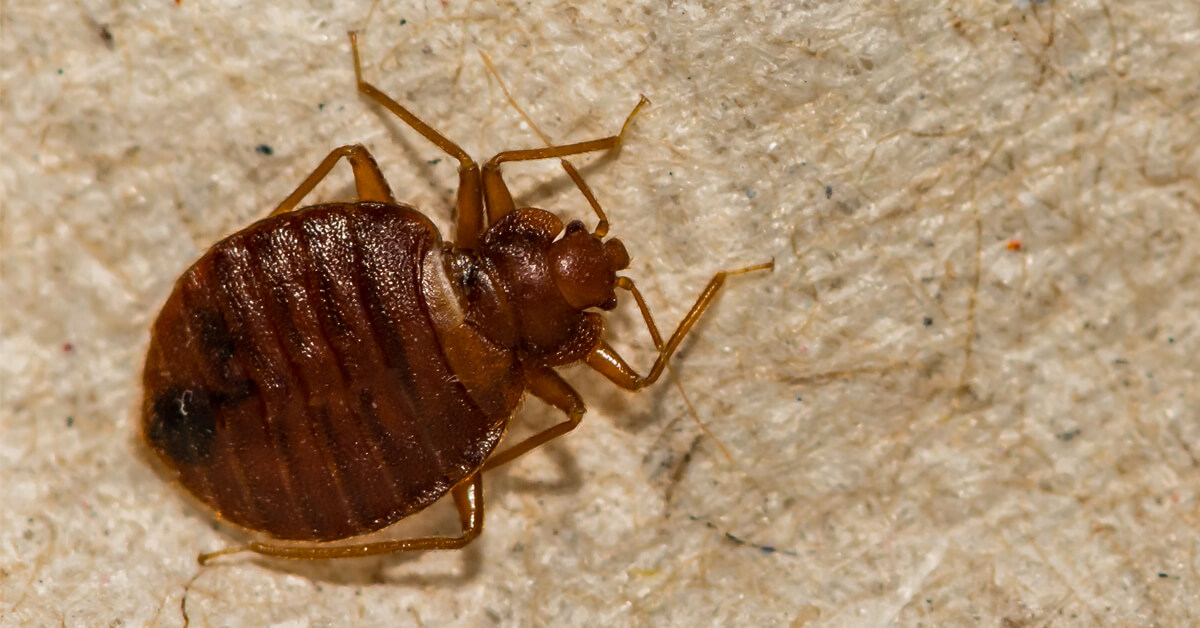
Reality: Adult bed bugs are visible to the naked eye and are roughly the size and shape of an apple seed. Younger bed bugs and eggs are much smaller but can still often be spotted during a careful inspection.
Myth: Bed bugs spread disease.
Reality: Bed bugs are not known to transmit diseases, but their bites can cause itchy welts, allergic reactions, anxiety, and sleep disruption.
How to Check a Hotel Room for Bed Bugs
One of the best ways to avoid bringing bed bugs home is to inspect your hotel room before unpacking.
Start With the Bed Area
Pull back the sheets and inspect the seams and corners of the mattress. Look for:
- Live bed bugs
- Tiny white eggs
- Shed skins
- Small dark reddish-brown or black stains
Check Nearby Furniture
Bed bugs often hide within a six-foot radius of where people sleep. Inspect:
- Headboards
- Nightstands
- Upholstered chairs
- Drawer corners
- Behind picture frames
- Around baseboards
A flashlight from your phone can help illuminate cracks and crevices where bed bugs like to hide.
Keep Your Luggage Protected
Instead of placing your suitcase on the bed or floor:
- Use a luggage rack
- Keep luggage away from upholstered furniture
- Store suitcases in the bathroom if possible, since bed bugs are less likely to hide there
You should also avoid unpacking clothes into hotel drawers during shorter stays.
Smart Travel Tips to Prevent Bed Bugs
Taking preventive steps before and during your trip can greatly reduce your risk.
Pack Clothing in Sealed Bags
Use large resealable plastic bags or packing cubes to separate clean and dirty clothing. This makes it harder for bed bugs to crawl into your belongings.
Keep Clothing Off the Floor
Avoid leaving clothes, shoes, or backpacks on carpeted floors or furniture.
Wash Everything Immediately After Traveling
When you get home:
- Wash clothing in hot water when possible
- Dry all clothing on high heat for at least 30–45 minutes
- Wash even unworn clothes from your suitcase
High heat is extremely effective at killing bed bugs and their eggs.
Vacuum and Inspect Your Luggage
Before storing your suitcase:
- Vacuum seams, pockets, and zippers thoroughly
- Empty the vacuum immediately afterward
- Wipe down hard-sided luggage carefully
Some travelers also leave luggage in a hot vehicle or attic for extended heat exposure when temperatures permit.
Signs You May Have Brought Bed Bugs Home
Even careful travelers can occasionally miss a hitchhiking bed bug. After returning home, watch for:
- Small itchy bites that appear overnight
- Tiny blood stains on sheets
- Dark spotting on bedding or mattresses
- Shed skins around sleeping areas
- Live bugs hiding in mattress seams or furniture
Because bed bugs reproduce quickly, early detection is critical.
What to Do If You Find Bed Bugs
If you discover bed bugs in your home after traveling, avoid trying to handle the infestation entirely on your own. DIY treatments often fail because bed bugs hide in tiny cracks and can survive many over-the-counter products.
Professional bed bug treatment is typically the fastest and most effective solution. Experienced pest control professionals can identify hiding spots, eliminate bed bugs at every life stage, and help prevent reinfestation.
Protect Your Home With Viking Pest Control
Whether you’re preparing for vacation, returning from a trip, or already concerned about bed bugs in your home, Viking Pest Control can help. Our licensed professionals provide thorough inspections and effective bed bug treatments for homes throughout New Jersey, Pennsylvania, Delaware, Maryland, and the Eastern Shore.
Don’t let bed bugs become your unwanted travel souvenir. Contact Viking Pest Control today to learn more about our bed bug control solutions and how we can help keep your home protected year-round.