


Bed Bug Bites vs. Mosquito Bites: How to Tell the Difference
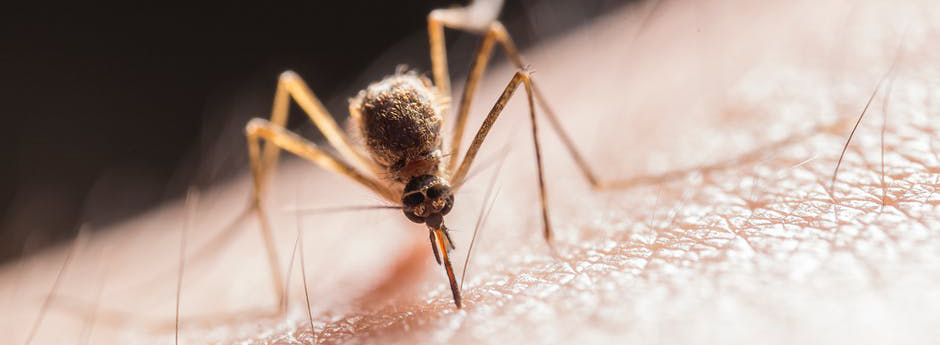


Bug bites are an unavoidable part of life outdoors, especially during warmer months in New Jersey, Pennsylvania, Delaware, and Maryland. While most bites come from nuisance pests like mosquitoes, others may be a sign of a hidden infestation inside your home—particularly bed bugs.
Because bed bug bites can look similar to mosquito bites at first glance, many homeowners don’t realize there’s a problem until the infestation has already spread. Knowing the differences can help you identify the source early and take action before it gets worse.
What Bed Bug Bites Look Like
Bed bug bites often get mistaken for mosquito bites, but there are some key differences.
Bed bug bites may:
- Appear as small red bumps or raised welts
- Form in lines or tight clusters
- Show up in groups after sleeping
- Become increasingly itchy over time
- Look more like a rash than a single bite
Bed bugs feed multiple times in one night, which is why bite patterns often appear grouped or linear rather than isolated.
Not everyone reacts to bed bug bites, so the absence of itching or irritation does not always mean there are no bed bugs present.
What Mosquito Bites Look Like
Mosquito bites are usually easier to identify because:
- They appear as single, round bumps
- They often show up randomly on exposed skin
- They are typically isolated rather than clustered
- They may appear immediately after being outdoors
Unlike bed bugs, mosquitoes bite outdoors and do not typically create patterned bite clusters while you sleep.
Key Questions to Help Identify Bed Bugs
If you’re unsure what is biting you, ask yourself:
- Do the bites appear in rows or clusters?
- Are new bites appearing after sleeping?
- Have I noticed dark stains or shed skins on my mattress?
- Have I recently traveled or stayed in a hotel?
- Have guests recently stayed overnight in my home?
Bed bugs are hitchhiking pests and commonly spread through luggage, clothing, furniture, and shared living spaces.
Signs of a Bed Bug Infestation
In addition to bites, bed bugs leave behind other signs, including:
- Dark or rust-colored stains on sheets or mattresses
- Small black fecal spots along mattress seams
- Shed skins or eggshells
- Live bed bugs in mattress seams, bed frames, or furniture
They are most active at night and hide during the day in cracks, seams, and tight spaces near sleeping areas.
How Bed Bugs Spread
Bed bugs are not caused by poor hygiene. Instead, they spread through movement and human activity. Common sources include:
- Hotels, motels, and vacation rentals
- Public transportation
- Office buildings and shared workspaces
- Used furniture or secondhand items
- Visitors or overnight guests
Because they are so small and flat, bed bugs can easily travel unnoticed and establish themselves in homes quickly.
When to Call Viking Pest Control
If you suspect bed bugs, early action is critical. Bed bugs reproduce quickly and are extremely difficult to eliminate without professional treatment.
Viking Pest Control provides thorough bed bug inspections and customized treatment solutions throughout New Jersey, Pennsylvania, Delaware, and Maryland. Our trained professionals can identify the source of the infestation and recommend effective treatment options designed to eliminate bed bugs and help prevent them from returning.
If you are waking up with unexplained bites or noticing signs of bed bugs in your home, scheduling an inspection as soon as possible is the best way to prevent the problem from spreading.